Middle East & Gulf
Dubai’s 2026 Crypto‑Friendly Free Zones: What the New Rules Mean for Global Investors
Sep 7, 202620 min read
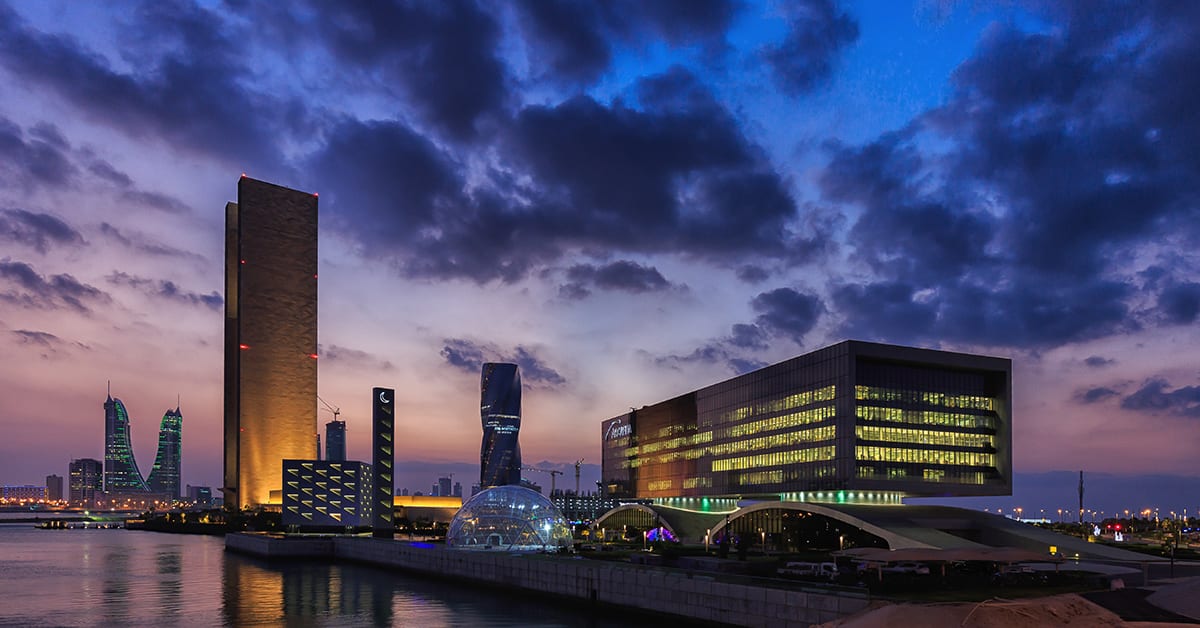
Bahrain’s fintech sandbox is getting a major upgrade in 2026. New rules, fresh capital and a push for digital banking are reshaping the Gulf’s financial landscape – and the ripple effects are already being felt by investors, banks and startups alike.
The buzz around Bahrain’s fintech sandbox has been louder than ever this year. When the Central Bank of Bahrain (CBB) announced a suite of new regulatory levers for 2026, the whole Gulf ecosystem sat up and took notice. It isn’t just another policy tweak – it’s a signal that the Kingdom is positioning itself as the go‑to testing ground for everything from open‑banking APIs to crypto‑backed payment rails. For anyone watching the Gulf’s digital‑finance pulse, the question is simple: how will this shape the next wave of investment and banking innovation?
Bahrain’s sandbox has always been a bit of a laboratory, but the 2026 expansion feels more like a full‑scale research institute. The CBB’s FinTech & Innovation Unit now runs three parallel tracks: payment services, digital banking, and blockchain‑enabled solutions. Each track comes with its own set of permissive licences, faster approval timelines, and a clearer path to full‑scale deployment.
What used to be a six‑month trial can now be compressed into three months for projects that meet the new "sandbox‑ready" criteria. The criteria themselves are less about ticking boxes and more about demonstrating real‑world risk mitigation – think sandbox‑specific AML/KYC modules that talk directly to the CBB’s monitoring engine.
The result? Start‑ups can move from prototype to pilot with a level of certainty that was previously missing. And that certainty is exactly what investors have been hunting for.
Instead of the binary "sandbox‑approved" or "not approved" decision, the CBB now offers Tier‑1, Tier‑2, and Tier‑3 licences. Tier‑1 is a sandbox‑only permit, Tier‑2 allows limited market exposure under supervision, and Tier‑3 is a full licence that can be granted once the pilot proves its compliance framework.
One of the most under‑appreciated tools is the new real‑time reporting API that pushes transaction data straight to the regulator’s dashboard. Companies no longer need to generate weekly PDFs; the system automatically flags anomalies, letting both the firm and the CBB act fast.
Bahrain has signed MoUs with the UAE, Saudi Arabia, and Qatar, allowing sandbox participants to test their solutions across borders without needing a separate licence in each jurisdiction. This is a game‑changer for regional roll‑outs.
A dedicated set of Sharia‑compliant guidelines now sits alongside the standard sandbox rules. This means a digital‑only Islamic bank can prototype its full product suite inside the sandbox, something that was previously a grey area.
Through the Tarabut Gateway, sandbox participants can access anonymised transaction data from participating banks. The data pool is growing fast, and the CBB has built a secure enclave where startups can run AI models without ever pulling data out of Bahrain’s jurisdiction.
The numbers speak for themselves. In the first half of 2026, venture capital inflows into Bahrain‑based fintechs jumped 42 % compared with the same period in 2025. While the exact figure is hard to pin down—most funds keep their Bahrain allocations private—the trend is unmistakable.
It’s worth noting that the surge isn’t limited to early‑stage seed money. Growth‑stage funds, corporate venture arms, and even some of the region’s sovereign wealth entities are putting larger checks on companies that have already cleared Tier‑2. The differentiation matters because a Tier‑2‑approved digital bank can now start onboarding a limited customer base, giving investors a live‑metric runway to assess product‑market fit.
When you look at digital banking across the Gulf, Bahrain is punching above its weight. The Kingdom hosts seven fully‑licensed digital‑only banks, a number that dwarfs the combined total in Saudi Arabia and the UAE.
Tarabut Gateway started as a sandbox project in 2019, but by 2024 it was handling over 1.2 billion API calls per month across the Gulf. In 2026, the platform introduced a new “sandbox‑to‑production bridge” that lets developers push code directly to production once they hit Tier‑2 compliance. The result is a rapid iteration cycle that’s rare in regulated finance.
CoinMENA leveraged the sandbox’s crypto‑asset framework to launch a regulated exchange that now serves more than 250,000 users. Its success has encouraged several digital banks to explore crypto‑linked debit cards, a product that would have been impossible without the sandbox’s clear rules.
Held in October 2026, FinTech Forward turned Bahrain into a live demo floor. Over 30 sandbox‑graduated firms showcased pilots ranging from AI‑driven credit underwriting to cross‑border payment rails that settle in seconds. The event attracted over 200 investors, many of whom announced follow‑on funding on the spot.
No ecosystem evolves without friction. While Bahrain’s sandbox expansion is impressive, a few hurdles remain.
Bahrain’s talent visa is great for attraction, but retaining those engineers after their contracts end is a work in progress. Competing offers from Dubai’s fintech hubs and even European fintech hubs mean the Kingdom must keep its compensation packages and career pathways attractive.
Cross‑border testing agreements are a step forward, yet each Gulf central bank still has its own set of reporting requirements. Harmonising these standards without sacrificing regulatory rigor will take time and diplomatic finesse.
Digital banks are still battling a perception gap among older consumers who prefer brick‑and‑mortar branches. While younger users flock to app‑only banks, the overall market share of digital‑only banks in Bahrain sits at roughly 12 % of total deposits. Bridging that gap will require education campaigns and perhaps hybrid models that blend physical touchpoints with digital convenience.
If you ask the CBB, they’ll likely say the sandbox is just the beginning. Here are three plausible pathways for the next five years.
In this optimistic view, Bahrain’s sandbox becomes the default launchpad for any Gulf fintech. The cross‑border agreements mature into a single regulatory sandbox framework across the GCC, and investors pour capital into Bahrain‑based startups that can scale regionally with a single licence.
If the Islamic fintech framework gains traction, Bahrain could become the world’s leading hub for Sharia‑compliant digital banking. International Islamic banks would partner with local startups to co‑create products, and the sandbox would host a dedicated “Islamic Innovation Track” that attracts funds focused on ethical finance.
A more tempered outlook sees larger Gulf banks absorbing sandbox graduates, turning them into internal innovation labs rather than independent firms. The sandbox would still be vital, but its role would shift toward providing a testing ground for incumbent banks rather than fostering a vibrant startup ecosystem.
Q1: How long does it take for a fintech startup to move from sandbox entry to a full licence? A: Under the new tiered model, a well‑prepared firm can graduate from Tier‑1 to Tier‑3 in as little as nine months, provided it meets the CBB’s risk‑management benchmarks.
Q2: Are foreign investors allowed to own equity in sandbox‑graduated companies? A: Yes. Bahrain’s foreign‑ownership rules have been relaxed for fintechs, allowing up to 100 % foreign equity in sandbox participants, though certain strategic sectors may still require local partnership.
Q3: What types of digital banking services can be tested in the sandbox? A: The sandbox now covers full‑stack digital banking – from account opening and payments to lending, wealth management, and even crypto‑linked debit cards, all under a unified regulatory umbrella.
Q4: How does the sandbox ensure consumer protection while allowing rapid innovation? A: The real‑time reporting API, sandbox‑specific AML/KYC modules, and mandatory stress‑testing at each tier create a safety net that protects users without stifling speed.
Q5: Will the sandbox’s cross‑border agreements cover the entire GCC? A: Currently, the agreements include the UAE, Saudi Arabia, and Qatar, with Oman and Kuwait in advanced talks. Full GCC coverage is a medium‑term goal.
Q6: Is there a specific focus on sustainability or green finance within the sandbox? A: The CBB has introduced a “green‑fintech” pilot track that encourages projects targeting carbon‑credit tokenisation and sustainable‑investment platforms. It’s still early, but interest is growing.
Bahrain’s 2026 FinTech Sandbox Expansion is more than a regulatory update; it’s a strategic move that reshapes the Gulf’s digital‑finance map. New levers like tiered licensing, real‑time reporting, and cross‑border testing are already attracting capital, talent, and innovative ideas. For startups, the sandbox offers a faster route to market; for investors, it provides clearer risk metrics; and for traditional banks, it opens doors to partnership and modernization.
The Gulf’s digital banking future is being written in Bahrain’s sandbox labs today. Whether the region leans into a pan‑GCC fintech super‑hub, a specialised Islamic finance engine, or a blend of both, the momentum is unmistakable. The next few years will likely see more pilots turning into full‑scale products, more investors chasing the sandbox pipeline, and more consumers experiencing banking that feels less like a legacy institution and more like a seamless digital experience.
If you’re watching the Gulf’s fintech pulse, keep an eye on Bahrain’s sandbox dashboards, track the Tier‑2 graduations, and watch the investor round‑tables at FinTech Forward 2026. The story is still unfolding, and the sandbox is the stage where the most compelling chapters will be performed.