China’s Surprise Gold Reserve Surge in Q3 2026: What It Means for Prices and Emerging‑Market Investors

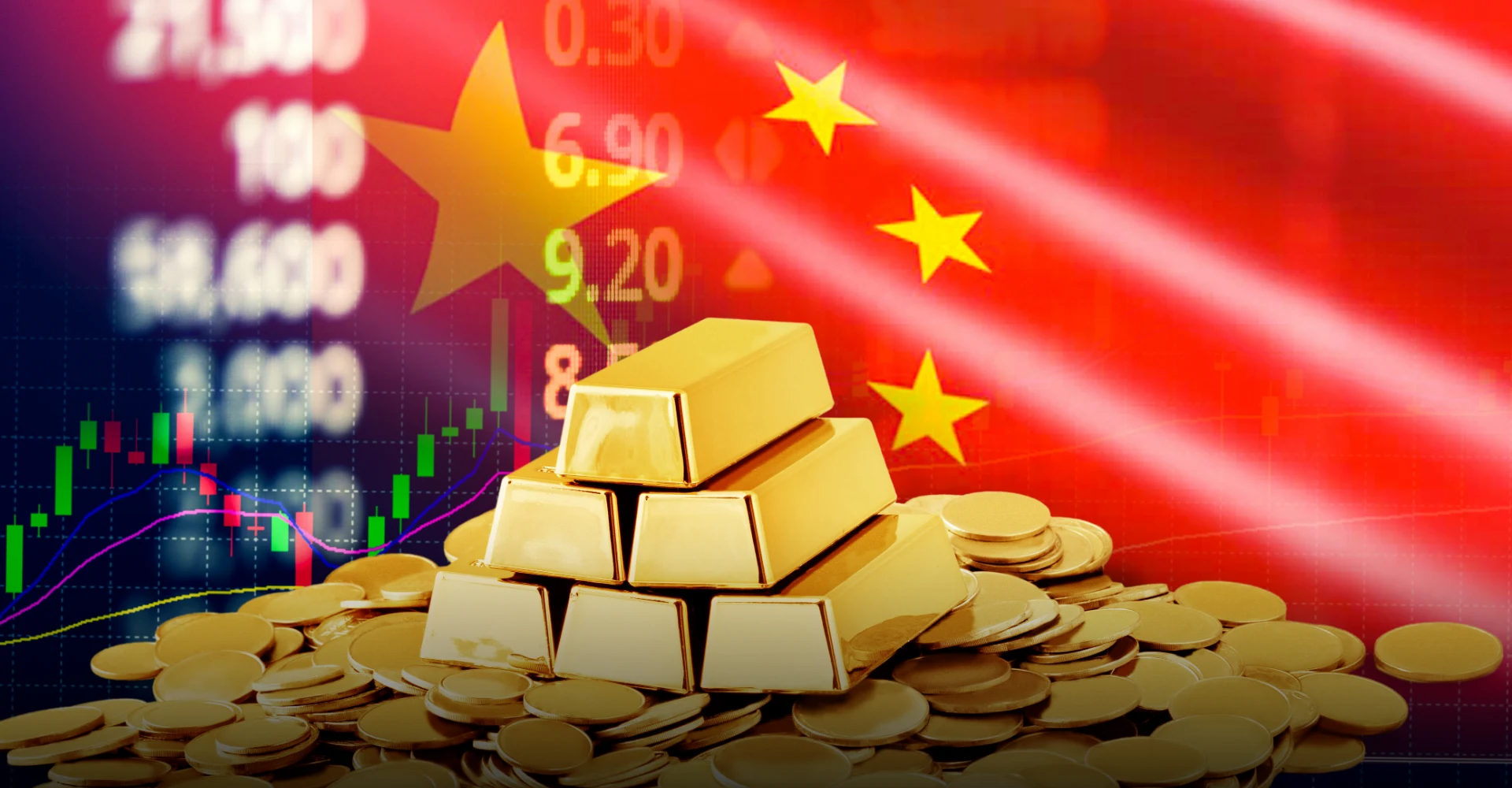
When the People’s Bank of China disclosed a sudden jump in its gold holdings for the third quarter of 2026, markets took notice. The move not only nudges the global price of gold higher but also forces investors in emerging economies to rethink risk and allocation.
China’s Surprise Gold Reserve Surge in Q3 2026: What It Means for Prices and Emerging‑Market Investors
The People’s Bank of China (PBOC) announced in early August that it had added roughly 640,000 troy ounces – about 20 tonnes – of gold to its strategic stockpile for the third quarter of 2026. The headline was loud enough, but the ripple effects are still settling in. For anyone watching the commodity markets, the news is a reminder that central‑bank buying can still move the needle in a world where ETFs, retail demand, and algorithmic trading dominate daily volume.
In the weeks that followed, gold prices nudged up 2.5 % while silver rallied even harder. That modest jump might look tame compared with the dramatic spikes of the early 2020s, yet the underlying dynamics are anything but simple. A single sovereign buyer, especially one as large and as strategically minded as China, can reshape expectations for the rest of the year. And for investors in emerging markets – where currency risk, inflation pressures, and sovereign debt concerns already loom large – the signal is both a warning and an opportunity.
Below, I’ll walk through what the data actually say, why the PBOC’s move matters beyond the headlines, and how investors in places like Brazil, South Africa, and Indonesia might want to adjust their playbooks.
The Numbers Behind the Announcement
The PBOC’s quarterly filing showed three key figures that merit a closer look:
- 640,000 troy ounces added in Q3 – roughly 20 tonnes, a jump of about 30 % over the previous quarter.
- A cumulative increase of 1.2 million ounces since the start of 2026 – that puts China’s total strategic gold holdings at an estimated 1,800 tonnes, according to the State Administration of Foreign Exchange.
- A parallel shift of 480,000 ounces into domestic vaults – the gold isn’t just sitting in London or Zurich; it’s being moved to vaults under the Great Hall of the People, a move that underscores a desire for physical control.
Those figures line up with a broader pattern that analysts have been tracking since early 2024: China’s central bank has been quietly buying gold on the over‑the‑counter (OTC) market, often through the London bullion market, where transparency is lower but liquidity is high. Goldman Sachs, for instance, estimates that the official numbers may understate the true purchase volume by as much as 30 %.
When you stack the PBOC’s purchases against the global central‑bank buying spree of 2025‑2026 – which saw a total of about 220 tonnes added across all emerging‑market central banks – China’s share jumps out as a decisive factor. It’s not just a larger slice of the pie; it’s a slice that keeps growing.
Why China Is Building a Bigger Gold Buffer
The obvious answer is “hedge against uncertainty.” Gold has long been a safe‑haven asset, and the PBOC’s strategic reserves are meant to protect the country’s financial system from a range of shocks – from sudden capital outflows to a sharp devaluation of the renminbi. But there are a few more nuanced motivations that deserve attention:
- Diversification of the foreign‑exchange reserve portfolio – China’s FX reserves now exceed $3 trillion. Adding gold reduces reliance on the U.S. dollar, which has shown signs of stress after a series of rate hikes and fiscal debates in Washington.
- Domestic confidence building – By moving a portion of the gold into Chinese vaults, the PBOC sends a signal to local banks and enterprises that the state has a tangible, physical asset backing its monetary base.
- Geopolitical signaling – In a world where trade tensions and technology restrictions have become the norm, a visible gold reserve can be a subtle way of saying “we have a fallback if the financial system turns hostile.”
- Supporting the domestic gold mining industry – China is the world’s largest producer of gold. A robust strategic reserve can help stabilize domestic prices, which in turn supports mining revenues and employment.
Each of these points, taken alone, would justify a modest increase. Put them together, and the rationale for a surprise surge becomes clearer.
Immediate Market Reaction: Prices, ETFs, and Spot Gold
Gold’s price response was swift. On the day the data were released, spot gold rose about 2.5 %, closing the week at $2,210 per ounce – a level not seen since early 2025. The move was echoed across the major gold ETFs:
- SPDR Gold Shares (GLD) saw inflows of 30 million shares, the biggest single‑day net purchase of the year.
- iShares Gold Trust (IAU) added roughly 25 million shares.
- Physical bullion demand rose 8 % in the same week, according to the World Gold Council, with Asia accounting for half of the uptick.
Why the jump? Traders tend to interpret central‑bank buying as a proxy for future demand. When a sovereign buyer steps in, it reduces the amount of gold available for private investors, at least in the short term. That scarcity perception pushes prices up, even if the actual volume is a drop in the ocean compared with total daily turnover.
At the same time, the market also priced in a “gold‑price floor” that could stay above $2,200 for the next 12‑18 months. That floor is not a guarantee, but it’s a useful mental model for investors who need to decide whether to add exposure now or wait for a pull‑back.
What This Means for Emerging‑Market Investors
If you’re an investor based in Brazil, South Africa, Indonesia, or any other emerging market, the PBOC’s move has three practical implications:
1. Gold Becomes a More Attractive Hedge
Emerging‑market currencies have been under pressure from a stronger dollar and higher U.S. rates. Gold, priced in dollars, traditionally offers a hedge against that very dynamic. With China’s buying signaling confidence in gold’s role, the risk‑premium on gold for EM investors narrows. In other words, you might not need to add as much of a “buffer” to protect against currency moves – the market itself is already doing part of that work.
2. Potential for Higher Volatility in Local Gold Markets
Domestic gold markets in many emerging economies are still heavily influenced by import policies and customs duties. If China’s buying pushes global spot prices higher, local dealers may raise premiums, leading to short‑term spikes in retail gold costs. For investors who hold physical gold or trade in local bullion, that could mean tighter margins.
3. A Cue for Portfolio Rebalancing
Many EM fund managers already allocate a modest slice – usually 5‑10 % – of assets to gold or gold‑related securities. The recent data could justify nudging that allocation upward, especially in portfolios that are heavily weighted toward equities or high‑yield bonds. The key is to avoid over‑concentration; gold should still be a diversifier, not the core.
The Bigger Picture: Central‑Bank Gold Buying Trends
China isn’t acting in a vacuum. The past two years have seen a resurgence of central‑bank gold buying across the globe. Here’s a quick snapshot of the most notable trends:
- Russia added roughly 150 tonnes in 2025, driven by sanctions‑related concerns.
- Turkey boosted its reserves by 30 tonnes in 2026, citing inflation fears.
- India has been a steady buyer, adding about 10 tonnes each quarter.
- European Central Bank remains a modest buyer, focusing more on diversification than on sheer volume.
When you add China’s 20 tonnes for Q3 to this mix, the global central‑bank net addition for the quarter tops 250 tonnes – a level not seen since the post‑2008 crisis period. That scale suggests we’re entering a new era where sovereign demand, rather than speculative demand, is the primary driver of price direction.
How the Gold Supply Chain Is Adjusting
The supply side of the gold market is also feeling the pressure. Mining output in 2026 is projected to rise only modestly – about 3 % year‑over‑year – as major projects in South Africa and Canada reach maturity. Meanwhile, recycling rates have plateaued at around 30 % of total supply.
In response, a few large refiners have started to tighten contracts with miners, offering higher forward prices to secure deliveries. That dynamic can feed back into spot prices, creating a feedback loop where higher prices encourage more mining investment, which eventually eases the upward pressure.
For investors, the takeaway is that the gold market is not a simple demand‑only story. Supply constraints, albeit modest, can amplify the impact of a single large buyer like China.
A Quick Look at the Numbers: What the Charts Show
Below is a simplified view of how gold prices have moved alongside central‑bank buying since the start of 2025:
| Quarter | Global Central‑Bank Gold Purchases (tonnes) | Spot Gold Price (USD/oz) |
|---|---|---|
| Q1 2025 | 70 | $1,950 |
| Q2 2025 | 85 | $2,010 |
| Q3 2025 | 95 | $2,050 |
| Q4 2025 | 110 | $2,090 |
| Q1 2026 | 120 | $2,130 |
| Q2 2026 | 140 | $2,170 |
| Q3 2026 | 160 (China adds 20 tonnes) | $2,210 |
The correlation isn’t perfect, but the upward trend is unmistakable. When you overlay the PBOC’s purchase data, the spike in Q3 becomes even more pronounced.
Potential Risks and Counterpoints
No market move is without downside. Here are a few risks that could temper the bullish narrative:
- U.S. monetary policy shifts – If the Federal Reserve decides to pause or reverse rate hikes, the dollar could weaken, making gold cheaper for non‑U.S. buyers and potentially dampening price gains.
- Geopolitical escalation – While gold often shines in times of crisis, a sudden escalation that isolates China from global markets could force the PBOC to liquidate part of its reserve, putting downward pressure on prices.
- Domestic economic slowdown – If China’s own growth slows more than expected, the government may prioritize liquidity over gold accumulation, leading to a slower pace of buying.
- Technological substitution – Some analysts argue that digital assets like Bitcoin could eventually erode gold’s safe‑haven status. While that’s still a fringe view, it’s worth watching.
Is this just a short‑term blip? The answer is no – the data suggest a strategic, multi‑year plan rather than a one‑off purchase.
Practical Steps for Investors
If you’re wondering how to act on this information, here are five concrete steps you might consider:
- Review your gold allocation – Check whether you’re sitting at the low end of the typical 5‑10 % range for gold exposure. If you’re below, think about adding a modest amount.
- Diversify within gold – Consider a mix of physical bullion, gold‑backed ETFs, and mining stocks to capture different risk‑return profiles.
- Watch emerging‑market currency trends – A weakening local currency combined with rising gold prices can boost real returns on gold holdings.
- Stay alert to PBOC policy updates – The central bank releases quarterly data; a sudden slowdown in purchases could be a signal to reassess.
- Consider hedging strategies – Options on gold futures can provide downside protection while letting you stay long on the overall trend.
Frequently Asked Questions
How much gold does China actually hold now?
Official figures place China’s strategic gold reserves at roughly 1,800 tonnes as of Q3 2026. Independent estimates, which factor in OTC purchases, suggest the true number could be closer to 2,000 tonnes.
Will the PBOC keep buying gold at this pace?
The consensus among analysts is that China will continue buying, but the pace may moderate. The central bank is likely to balance gold purchases with other reserve‑management priorities, such as foreign‑exchange diversification and domestic liquidity needs.
How does China’s buying affect the price of gold in the United States?
Because gold is a globally traded commodity, a large sovereign buyer influences the overall supply‑demand balance. Higher demand from China tends to push the global price up, which directly impacts U.S. investors holding spot gold, ETFs, or mining stocks.
Should emerging‑market investors shift from equities to gold?
Not necessarily. Gold should complement, not replace, equity exposure. The key is to maintain a diversified portfolio that can weather currency volatility, inflation, and regional economic shocks.
What are the tax implications of buying physical gold in emerging markets?
Tax treatment varies by jurisdiction. In many countries, capital gains on physical gold are taxed at a different rate than equities. It’s wise to consult a local tax professional before making large purchases.
Looking Ahead: What to Watch in 2027
The next twelve months will be critical for confirming whether China’s Q3 surge is the start of a sustained trend. Keep an eye on:
- Quarterly PBOC reserve reports – Any deviation from the upward trajectory will be a signal.
- U.S. Treasury yields – Rising yields could make gold less attractive relative to fixed‑income assets.
- Geopolitical developments – Trade talks, sanctions, and regional conflicts can all shift the risk premium that gold commands.
- Mining supply dynamics – New projects in West Africa or the Americas could increase supply, moderating price pressures.
If you’re a long‑term investor, the best approach is to stay flexible. Gold isn’t a quick‑win play; it’s a long‑term insurance policy that can smooth out the bumps in an otherwise volatile market.
Final Thoughts
China’s surprise increase in strategic gold reserves for Q3 2026 is more than a headline. It’s a clear signal that the world’s second‑largest economy still sees gold as a cornerstone of financial stability. For global gold prices, the impact is already visible – a modest but firm upward drift that could set the tone for 2027.
For emerging‑market investors, the news offers both a caution and a chance. The caution lies in the heightened price volatility that can affect local bullion markets. The chance is in the reinforced case for gold as a hedge against currency and inflation risk.
The takeaway? Keep gold on your radar, but treat it as part of a broader diversification strategy. A measured increase in exposure, coupled with vigilant monitoring of central‑bank data, can help you navigate the next wave of market moves with confidence.
Stay informed, stay diversified, and let the gold standard guide you through the uncertainty.