
Asian Markets
TSMC's 2026 Capacity Expansion: What It Means for Asian Chip Supply Chains and Regional Equity Markets
Sep 18, 202613 min read
By WorldFinance Editorial Team
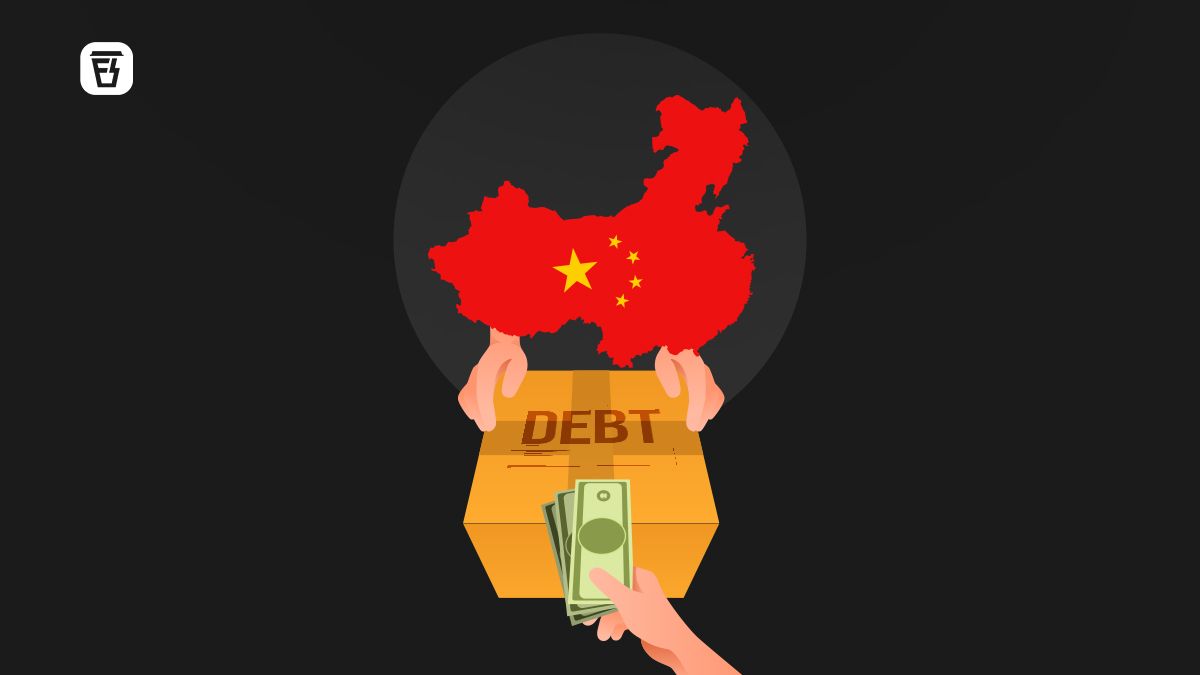
Beijing’s latest debt relief plan is more than a headline—it’s a set of concrete steps that could change the fortunes of developers, investors, and local governments alike. This article unpacks the package, its immediate effects, and the lingering questions about China’s growth trajectory.
The property market has been the nervous system of China’s economy for years, and the latest relief package feels a bit like a defibrillator. After five years of stalled projects, dwindling investment and a cascade of local‑government balance‑sheet headaches, Beijing finally rolled out a set of measures aimed at easing refinancing pressure and nudging mortgage rates down (per KuCoin). The question on everyone’s mind is whether these moves will simply patch a few holes or actually revive confidence enough to get the whole system breathing again.
If you look back at the last decade, you’ll see a familiar story: developers borrowed heavily, land sales surged, and the government’s “housing is for living, not speculation” mantra was more rhetoric than reality. By 2021, property investment peaked, then tumbled almost 50% in the following years. The fallout has been messy—unfinished towers turning into ghost towns, banks staring at non‑performing loans, and local officials scrambling for revenue as land‑sale cash dried up.
The 2026 debt relief package is Beijing’s attempt to stop the bleed. It’s not a brand‑new stimulus in the classic sense; it’s a targeted set of tools meant to give developers breathing room, lower the cost of home‑ownership for buyers, and shore up the finances of municipalities that rely heavily on land‑sale proceeds. In practice, that means three things: (1) a softening of refinancing constraints for heavily indebted developers, (2) a modest cut to mortgage rates for new home buyers, and (3) a green light for local authorities to purchase select residential projects and convert them into public housing (ARC Group).
Developers that are strapped for cash have been fighting a losing battle against banks that are increasingly risk‑averse. The package encourages state‑owned financial institutions to extend longer‑term, lower‑interest loans to developers that can demonstrate a credible path to completing projects. In exchange, developers must pledge a higher proportion of finished units to affordable housing or public‑use schemes.
A few practical details:
The second leg of the plan is a modest, but politically significant, reduction in the mortgage rate for first‑time buyers. The People’s Bank of China (PBOC) announced a 0.25‑percentage‑point cut to the five‑year LPR for qualifying purchases in tier‑1 and strong tier‑2 cities (see KuCoin). The intention is clear: make the entry cost a little less painful and give a nudge to demand that has been stuck in a low‑confidence zone.
Perhaps the most visible element is the authority granted to local governments to buy unfinished residential projects and turn them into public housing. This is not a brand‑new idea—similar pilots were tried in the early 2020s—but the current package broadens the scope and provides a clearer financing framework. The government will set up a special fund, seeded with central‑budget contributions, to purchase projects that meet a set of criteria (e.g., location, stage of construction, and potential for affordable‑housing conversion).
Developers have been living under a cloud of uncertainty for years. The sudden availability of cheaper, longer‑dated financing should, at first glance, feel like a lifeline. Yet the reality is more nuanced.
The biggest state‑backed developers—those with close ties to local authorities—are the ones who will benefit most. They already have the political capital to secure the new loans and can more easily meet the public‑housing conversion requirements. For them, the package could mean the difference between winding down a project and seeing it through to completion.
Mid‑tier and private developers, many of which are already cash‑strapped, may find the new loan terms attractive but still struggle to qualify. The covenant tied to project milestones adds an extra layer of scrutiny that could deter risk‑averse banks from extending credit unless the developer can prove a solid sales pipeline.
Because the package ties loan eligibility to a commitment to deliver affordable housing, we can expect a modest re‑balancing of the product mix. Luxury towers that have been the hallmark of China’s boom years may see a slowdown, while developers pivot to mid‑range apartments that can be marketed as both “affordable” and “quality”. This could help address the chronic mismatch between supply and the actual needs of ordinary families.
For the investment community—both domestic and foreign—the package is a mixed bag. On one hand, any policy that reduces default risk is welcome. On the other, the measures are unlikely to spark a dramatic rebound in property demand.
Chinese real‑estate bonds have been trading at deep discounts for months, reflecting the market’s fear of defaults. The prospect of state‑backed refinancing should provide a modest floor to those prices. In the short term, we may see a narrowing of spreads for the most credit‑worthy developers, but the overall market sentiment is unlikely to swing back to pre‑2022 optimism.
Listed developers have already seen their valuations erode dramatically. The relief package does not guarantee a recovery in sales, especially as household income growth remains sluggish and youth unemployment stays high. Investors who are comfortable with a “wait‑and‑see” approach might find a few opportunistic entry points, but the risk‑reward profile is still tilted toward the downside.
China’s recent move to place certain real‑estate bonds on a “green‑list”—allowing them to count toward ESG portfolios—could attract a niche of sustainability‑focused funds. The debt‑relief measures, by tying financing to affordable‑housing outcomes, give a tangible social‑impact angle that some investors find appealing.
Local governments have been the silent victims of the property slowdown. For decades, they relied heavily on land‑sale revenue to fund infrastructure, schools, and social services. With sales halved, many municipalities have seen their fiscal buffers shrink, forcing them to dip into off‑balance‑sheet borrowing that is hard to track (per Deluair Consultancy).
The central government’s creation of a dedicated fund to purchase distressed projects serves a dual purpose. First, it removes the immediate cash‑flow burden from local authorities, who would otherwise have to finance purchases out of already strained budgets. Second, by converting these assets into public housing, the fund creates a long‑term revenue stream—through rental income and reduced welfare costs—that can help stabilize local finances.
If the conversion scheme gains traction, we could see a gradual shift in how municipalities think about land use. Instead of selling plots at a premium to developers, they might lease land for long‑term public‑housing projects, thereby smoothing out revenue streams and reducing dependence on volatile market cycles.
A 0.25‑point cut in the five‑year LPR is a modest gesture, especially compared with the dramatic rate reductions seen in other economies during crises. The intention is to make the cost of borrowing a little cheaper for first‑time buyers, but the underlying demand drivers—income growth, consumer confidence, and employment prospects—remain weak.
Will this rate cut spark a wave of new home purchases? The answer is probably no. The price elasticity of demand in China’s top‑tier cities is already low; a small dip in financing cost is unlikely to offset the psychological scar left by years of stalled projects and the fear of buying a home that might never be finished.
That said, the rate cut could have a localized impact in tier‑2 cities where housing is more affordable and the supply‑demand gap is narrower. In those markets, the reduced financing cost may tip the scales for families sitting on the fence.
Even with the debt‑relief package, several headwinds could blunt any positive impact.
If the 2026 package succeeds in its narrow goals—preventing a wave of developer defaults, modestly easing mortgage costs, and converting a slice of unfinished projects into public housing—China may avoid a full‑blown real‑estate collapse. However, the broader property market is unlikely to return to its pre‑2020 boom levels.
In the medium term, we might see a market that is less about speculative mega‑projects and more about meeting genuine housing needs. Developers could focus on mixed‑use, mid‑price complexes that serve both residential and commercial purposes, reducing the risk of overbuilding.
The government has been pushing for “green” construction standards, and the debt‑relief package’s emphasis on affordable housing could dovetail with those policies. Developers that adopt energy‑efficient designs may find it easier to secure financing, as the state looks to align housing policy with climate goals.
If the public‑housing conversion scheme proves effective, Beijing might expand it beyond the current pilot cities, creating a new model for how distressed assets are managed nationwide. That could, in turn, reshape the relationship between the central and local governments, shifting the fiscal calculus away from land‑sale dependence.
China has tried several rounds of property‑sector support since the downturn began. The 2020 “housing‑for‑living” campaign, the 2021 “three‑red‑lines” policy, and the 2022 stimulus that included tax breaks all had mixed results. What sets the 2026 package apart is its focus on debt restructuring rather than outright stimulus.
In the West, we saw similar approaches during the 2008 financial crisis, where governments encouraged banks to refinance mortgage‑backed securities rather than bail out developers directly. Those measures helped stabilize markets but did not instantly revive home‑building. The Chinese case may follow a comparable trajectory: a gradual stabilization followed by a slow, organic recovery.
The 2026 property debt relief package is, in many ways, a band‑aid rather than a cure. It patches some of the most immediate cracks—refinancing bottlenecks, high mortgage costs, and idle residential stock—but the underlying structural challenges remain. Whether the Chinese economy can grow at a healthy pace without a robust property sector is the big question that will keep analysts awake for years to come.
Q1: Does the debt‑relief package guarantee that all distressed projects will be completed? A: No. The package provides tools for refinancing and public‑housing conversion, but completion still depends on developers meeting milestones and securing sales.
Q2: How will the mortgage‑rate cut affect existing homeowners with variable‑rate loans? A: The cut applies to new five‑year fixed‑rate mortgages for first‑time buyers. Existing variable‑rate borrowers will only see indirect benefits if banks adjust their pricing across the board.
Q3: Will foreign investors be able to participate in the public‑housing fund? A: The fund is primarily a domestic instrument, but foreign ESG‑focused funds may gain exposure through Chinese bond issuances that are linked to affordable‑housing projects.
Q4: How does the package impact the “three‑red‑lines” policy on developer leverage? A: The new financing terms are meant to work within the existing red‑line framework. Developers still need to keep debt‑to‑cash‑flow ratios below the prescribed thresholds to qualify for the cheaper loans.
Q5: Is there a risk that the public‑housing conversions could flood the market with excess supply? A: The conversions are targeted at unfinished projects that would otherwise sit idle. By turning them into rental or subsidized units, the policy aims to match supply with a genuine demand for affordable housing, not to create a surplus.
Q6: What should a small developer do to improve its chances of accessing the new financing? A: Focus on transparent accounting, demonstrate a realistic sales pipeline, and be prepared to allocate a portion of completed units to affordable housing. Engaging early with local authorities can also help smooth the approval process.