
Banking & Economy
The 2026 Credit Union Consolidation Wave: Why More Member-Owned Institutions Are Merging Into Banks
Sep 18, 202613 min read
By WorldFinance Editorial Team
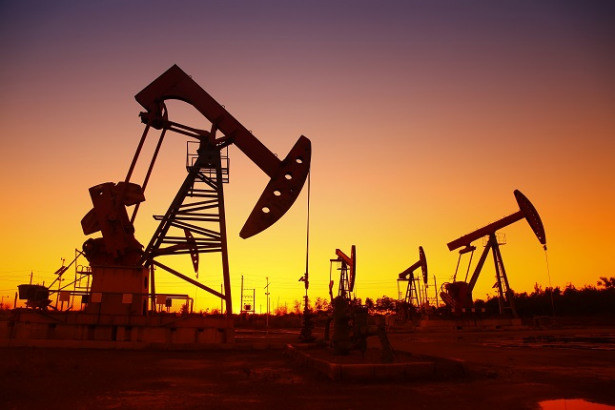
Oil prices have soared above $100 a barrel, fueling fears over renewed inflationary pressures across the global economy. But that's not all - interest rates, bitcoin, gold, and the stock market are all in play. What does it mean for your investments? We break down the 5 big stories moving every market this week.
The recent surge in oil prices has sent shockwaves across the global economy, raising fears of renewed inflationary pressures and recession risks. But that's not all - interest rates, bitcoin, gold, and the stock market are all in play, making for a perfect storm that's moving every market this week.
The conflict in the Middle East has disrupted global oil markets, causing prices to soar above $100 a barrel. This has fueled fears of stagflation, a nightmare scenario where inflation and unemployment rise in tandem. Experts warn that the global economy could be 'sleepwalking' into a recession, as investors underplay the impact of the oil price shock (CNBC).
The main driver of the oil price increase is the supply disruption caused by the conflict in the Middle East. The Strait of Hormuz, a critical waterway for oil tankers through which over 20% of the world's oil trade passes, has been the site of several attacks, disrupting global oil supplies (Wikipedia). Additionally, the US and Israeli strikes on Iran have further exacerbated the situation, causing oil prices to surge.
But oil prices aren't the only story moving markets this week. Interest rates are also in play, with the Federal Reserve set to make a decision on rates soon. The Fed has been hinting at a rate cut, but the recent surge in oil prices has thrown a wrench into the works. Will the Fed still cut rates, or will they hold off due to inflation fears?
The stock market has been on a tear lately, but the recent surge in oil prices has caused some investors to take a step back. If the Fed does cut rates, it could boost the stock market, but if they hold off, it could cause a sell-off. It's a delicate balancing act, and investors are watching closely.
In times of uncertainty, investors often turn to safe havens like bitcoin and gold. But are they really safe? Bitcoin has been volatile lately, and gold has been slipping due to a firming in Treasury yields. Are these assets still a good bet, or are they due for a correction?
Bitcoin has been touted as a safe haven asset, but its volatility has caused some investors to question its suitability. However, some experts argue that bitcoin is still a good bet, citing its limited supply and growing adoption. But what about gold?
The stock market has been on a tear lately, but some experts are warning of a 'misplaced euphoria' (IndexBox). With the oil price shock and recession risks looming, is the stock market due for a reality check? Or will the bull market continue to run?
A stock market correction could have far-reaching consequences, from damaging investor portfolios to causing a broader economic slowdown. But what are the chances of a correction, and how can investors prepare?
Treasury yields have been firming lately, causing some investors to take notice. But what do they mean for the broader economy? Are they a sign of inflation fears, or something else entirely?
Treasury yields have a significant impact on the economy, from influencing mortgage rates to affecting the stock market. But what happens when they rise? Does it mean the economy is strengthening, or is it a sign of inflation fears?
A: The oil price shock has raised fears of stagflation, a scenario where inflation and unemployment rise in tandem. It could also cause a recession, as investors underplay the impact of the oil price shock.
A: The Fed has been hinting at a rate cut, but the recent surge in oil prices has thrown a wrench into the works. It's unclear whether they will still cut rates or hold off due to inflation fears.
A: Bitcoin and gold have been touted as safe havens, but their volatility has caused some investors to question their suitability. However, some experts argue that they are still good bets, citing their limited supply and growing adoption.
A: Some experts are warning of a 'misplaced euphoria' in the stock market, citing the oil price shock and recession risks. However, others argue that the bull market will continue to run, citing strong economic fundamentals.
A: Treasury yields have a significant impact on the economy, from influencing mortgage rates to affecting the stock market. When they rise, it could be a sign of inflation fears or a strengthening economy.
A: Investors can prepare for a potential recession by diversifying their portfolios, reducing debt, and increasing their cash holdings. They should also stay informed about market developments and be prepared to adjust their strategies as needed.