UK & Europe
Zelensky's Arms and Energy Ask
Sep 23, 202612 min read
By WorldFinance Editorial Team
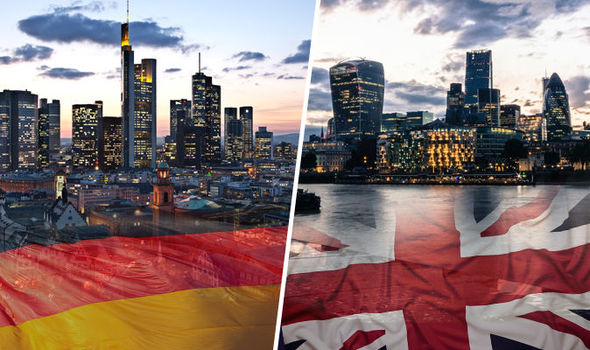
European markets have had a historic 2026 — the Stoxx 600 is up roughly 11% and the DAX, CAC 40, and FTSE MIB have all hit record highs, despite the Iran conflict and ECB rate hikes.
European stock markets have had a genuinely strong 2026, not the muddled "some markets holding steady while others slip" story that often gets repeated without real numbers behind it. The pan-European Stoxx 600 has rallied roughly 11% this year, with regional benchmarks — Germany's DAX, France's CAC 40, and Italy's FTSE MIB — all hitting all-time highs during the year (Fortune). The DAX reached a record close of 26,569.99 on August 28, 2026, with an intraday high of 26,618.74.
By September 16, 2026, the picture remained broadly positive across the board: Germany's DAX was up 0.53% on the day to 25,537.75 points, France's CAC 40 rose 0.62% to 8,140.59, and London's FTSE 100 gained 0.28% to 10,688.47 (ArmenPress). That's a market moving mostly in sync rather than sharply diverging — worth noting because headlines chasing a "London and Frankfurt hold steady while Paris slips" narrative don't reflect the broader pattern of 2026, where continental markets (DAX and CAC 40) have actually slightly outperformed the FTSE 100 for much of the year, a reversal of the framing some coverage has used.
The strength across European equities in 2026 reflects a market that's largely shrugged off the geopolitical volatility dominating headlines — the ongoing US-Iran conflict and its effect on oil prices, and a European Central Bank that's been raising rates (to 2.50% by September) rather than cutting them, contrary to what many investors expected at the start of the year (OrbitRemit). That combination of resilient corporate earnings and rate hikes driven by controllable, if unwelcome, inflation rather than a collapsing economy has allowed equities to keep climbing even against a backdrop that might have been expected to weigh on sentiment.
It's true that on any given trading day, the FTSE 100, DAX, and CAC 40 can move in different directions — different index compositions mean they're sensitive to different sector exposures. The FTSE 100 carries heavier weightings in energy, mining, and financials, all more directly exposed to commodity price swings from the Iran conflict, while the DAX's industrial and automotive weighting and the CAC 40's luxury-goods exposure respond more to global consumer demand and manufacturing data. Single-day divergences reflect these different sensitivities rather than a durable structural split between UK and continental markets.
The 2026 story for European equities is one of broad strength despite — or in some ways because of — a genuinely volatile macro backdrop: rate hikes tied to energy-driven inflation rather than economic overheating, ongoing geopolitical risk from the Iran conflict, and still-solid corporate earnings. For investors, the takeaway is that headline-chasing narratives about which single market is "winning" on any given week matter less than understanding the different sector exposures driving each index — and recognizing that 2026 has, on the whole, been a strong year across UK and continental European equities alike, not a story of one market pulling ahead while another falls behind.
How have European stocks performed in 2026? Strongly — the Stoxx 600 has rallied roughly 11% year-to-date, with the DAX, CAC 40, and FTSE MIB all hitting all-time highs during the year.
What was the DAX's record high in 2026? 26,569.99 at close on August 28, 2026, with an intraday high of 26,618.74.
Is Paris's CAC 40 actually underperforming London and Frankfurt? Not clearly — as of mid-September 2026, continental markets (DAX and CAC 40) had slightly outperformed the FTSE 100 over the year, the opposite of some "Paris slipping" narratives.
What's been driving European market strength despite the Iran conflict? Resilient corporate earnings combined with a market that has largely absorbed the geopolitical and inflation volatility, even as the ECB raised rates to 2.50% by September 2026.
Why do the FTSE 100, DAX, and CAC 40 sometimes move in different directions on the same day? Different sector weightings — the FTSE 100 leans toward energy, mining, and financials; the DAX toward industrials and autos; the CAC 40 toward luxury goods — making each index sensitive to different global developments.
Should investors pick one European market over the others based on recent headlines? Not based on short-term divergence alone — understanding each index's sector composition and how that aligns with your view on commodities, manufacturing, or consumer demand is more useful than chasing which market had the better week.