Gold & Commodities
How the U.S. Strategic Petroleum Reserve Release Strategy in Q2 2026 Is Redefining Gold‑Commodity Correlations and Investor Hedging Tactics
Sep 8, 202612 min read
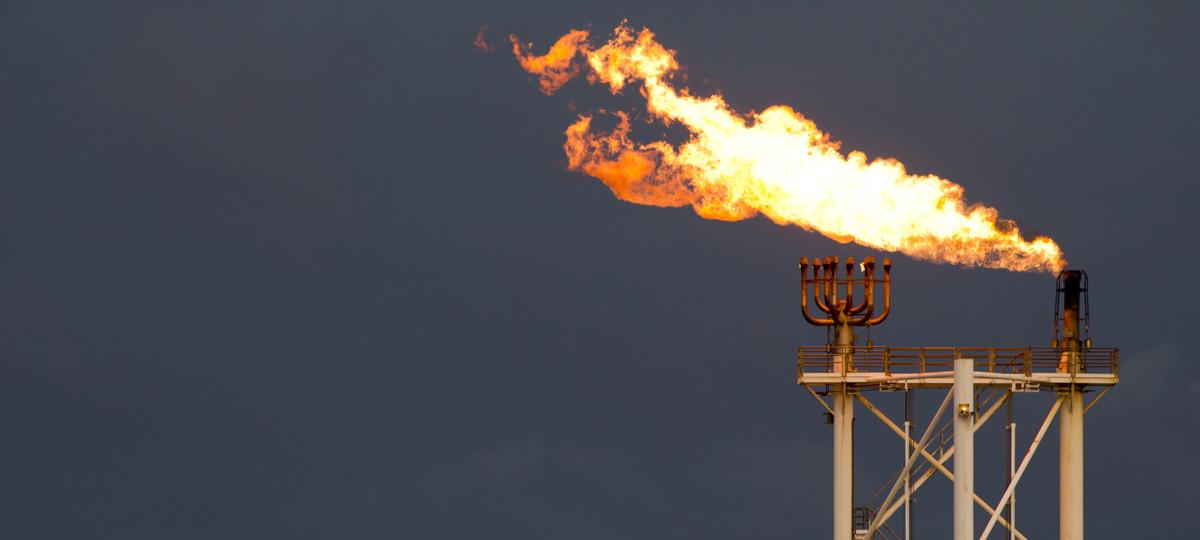
As the summer heat wave intensifies, natural gas prices have spiked 30%, driving energy costs up. With the U.S. seeing increased demand for natural gas, electricity costs are also on the rise. What does this mean for your utility bills? We break down the impact of the heat wave on energy prices and what you can do to mitigate the effects.
As we dive into the sweltering summer months, the energy market is feeling the heat. Natural gas prices have surged 30% due to the anticipated heat wave, leaving many to wonder what their energy bills will look like. The U.S. is experiencing increased demand for natural gas as temperatures rise, and this surge in demand is having a ripple effect on electricity costs as well.
So, what's behind this sudden spike in natural gas prices? The answer lies in the perfect storm of high demand and limited supply. As temperatures soar, the need for air conditioning and cooling systems increases, driving up the demand for natural gas. At the same time, the supply of natural gas is struggling to keep up, leading to a shortage and subsequent price hike.
But that's not all - the surge in natural gas prices is also having an impact on electricity costs. With many power plants relying on natural gas to generate electricity, the increased cost of natural gas is being passed on to consumers in the form of higher electricity bills. This means that not only will you be paying more for natural gas, but you'll also be paying more for electricity.
So, what does this mean for your utility bills? Unfortunately, it's likely that you'll see an increase in your energy costs this summer. The exact amount will depend on a variety of factors, including your location, usage patterns, and the specific rates charged by your utility company. However, with natural gas prices up 30%, it's likely that your bills will be higher than they were last summer.
While there's not much you can do to control the price of natural gas, there are some steps you can take to mitigate the effects on your utility bills. For example, you can try to reduce your energy usage by using energy-efficient appliances, turning off lights and electronics when not in use, and adjusting your thermostat to use less energy for cooling. You can also consider investing in a smart thermostat, which can help you optimize your energy usage and save money.
It's not just the short-term effects that are worth considering - the surge in natural gas prices also has implications for the broader energy market. With the U.S. relying heavily on natural gas for electricity generation, any disruption to the supply chain can have far-reaching consequences. This includes the potential for power outages, increased greenhouse gas emissions, and economic impacts on industries that rely on natural gas.
So, what can be done to reduce our reliance on natural gas and mitigate the effects of price volatility? One solution is to invest in renewable energy sources, such as solar and wind power. Not only can these sources provide a cleaner and more sustainable alternative to natural gas, but they can also help to reduce our reliance on fossil fuels and decrease the impact of price fluctuations.
A: Natural gas prices are high due to a combination of factors, including increased demand, limited supply, and extreme weather events.
A: The surge in natural gas prices will likely lead to an increase in your utility bills, although the exact amount will depend on your location, usage patterns, and the specific rates charged by your utility company.
A: You can reduce your energy usage by using energy-efficient appliances, turning off lights and electronics when not in use, and adjusting your thermostat to use less energy for cooling. You can also consider investing in a smart thermostat to optimize your energy usage.
A: The surge in natural gas prices has implications for the broader energy market, including the potential for power outages, increased greenhouse gas emissions, and economic impacts on industries that rely on natural gas.
A: One solution is to invest in renewable energy sources, such as solar and wind power, which can provide a cleaner and more sustainable alternative to natural gas and help to reduce our reliance on fossil fuels.
A: The outlook for natural gas prices is uncertain, but it's likely that prices will remain high throughout the summer months due to continued high demand and limited supply.