Gold & Commodities
Why Gold‑Backed ETFs Are Exploding Across Emerging Markets in 2026
Sep 7, 202611 min read
The U.S. Strategic Petroleum Reserve’s massive June‑July 2026 release is more than a short‑term oil fix. It’s shifting the dance between oil and gold, forcing traders to rethink classic hedges. This deep dive unpacks the mechanics, the market reaction, and the practical takeaways for anyone with a stake in commodities.
When the Treasury announced in early March that the United States would tap 172 million barrels from the Strategic Petroleum Reserve (SPR) over the next few months, the headlines focused on the immediate goal: easing a spike in crude that many linked to geopolitical tension in the Middle East. What the press didn’t stress enough was the ripple effect on the broader commodity universe—especially on gold, the long‑standing safe‑haven that often moves in lockstep with oil volatility. In the weeks that followed, we saw oil prices dip, gold prices wobble, and a flurry of commentary about “changing correlations.” For investors, that shift isn’t just academic; it’s a call to reassess hedging tactics that have been baked into portfolios for decades.
Below, I walk through the mechanics of the SPR release, why it matters for gold‑commodity dynamics, and what you can actually do with the information. I’ll sprinkle in some real‑world data, a few anecdotes from the trading floor, and a practical FAQ that answers the questions most of you have been sending my way.
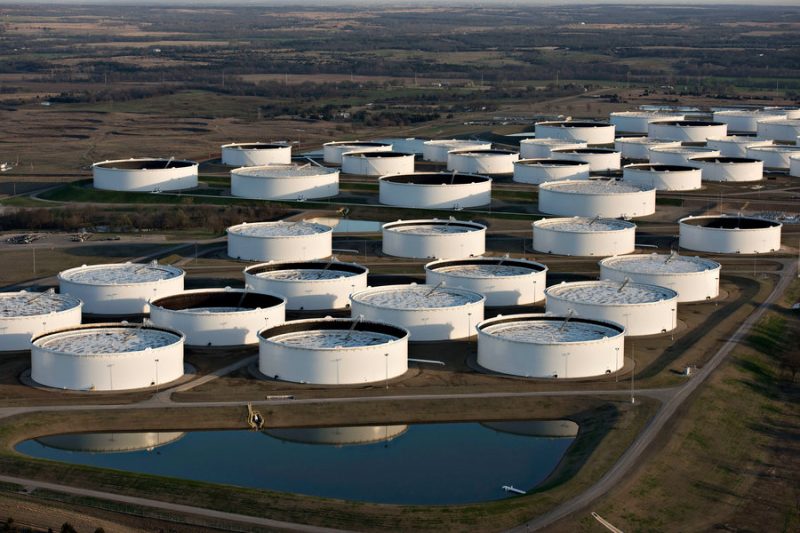
The SPR is essentially a giant underground garage for crude oil, built in the 1970s after the oil embargo. It sits in salt caverns along the Gulf Coast, holding roughly 650 million barrels at its peak. Over the years, the reserve has been used as a market stabilizer, a diplomatic lever, and occasionally a political bargaining chip. By 2026, the SPR’s inventory had slipped below the four‑decade low of about 250 million barrels, according to the Energy Information Administration (EIA). That scarcity made the March decision to release 172 million barrels all the more significant.
The Treasury’s plan, as outlined in the official release, calls for a phased injection of roughly 3‑4 million barrels per day over a 45‑day window, starting in early June. The oil will be routed through existing pipelines to the Gulf Coast refineries, then out to market via the usual commercial channels. It’s not a secret operation—oil majors and traders have been briefed for weeks, and the market has already priced in a portion of the expected supply.
On the day the release schedule was confirmed, the WTI (West Texas Intermediate) spot price slipped about 3 percent, while Brent fell a touch less. The dip was enough to trigger a modest unwind of short‑term oil futures, and a few hedge funds that had been betting on a prolonged price rally took a step back. The move also nudged the U.S. dollar lower, a side effect that historically benefits gold.
For most of the past two decades, oil and gold have shown a positive correlation. When oil prices surge—often due to supply shocks or geopolitical risk—investors tend to buy gold as a hedge against inflation and currency weakness. The logic is simple: higher oil prices push up production costs, which eventually feed into consumer prices. Gold, being a store of value, becomes more attractive.
During the pandemic‑driven crash, oil collapsed while gold rallied, creating a negative correlation that threw many models off. The lesson there was that correlation is not a law; it’s a tendency that can be broken by macro shocks, monetary policy, or, as we see now, deliberate government intervention.
By flooding the market with 172 million barrels, the U.S. is deliberately dampening the oil price upside. That, in turn, reduces the inflationary pressure that typically fuels gold buying. In the first two weeks after the release began, the gold‑to‑oil price ratio (gold price divided by oil price) fell by roughly 5 percent. Traders who had been using that ratio as a barometer of market stress now see a more muted signal.
Historically, a common hedge for commodity producers has been a “long‑gold, short‑oil” position. If you’re a mining company that extracts copper or nickel, you might buy gold futures to offset the revenue hit when oil prices climb and the cost of production rises. Similarly, a pension fund with a heavy exposure to energy stocks could hold gold as a tail‑risk buffer.
With oil prices now expected to stay lower for the next quarter, the risk of a sudden oil‑driven inflation spike has receded. That means the protective value of gold in an oil‑shock scenario is weaker than it was a month ago. Some fund managers are already trimming their gold exposure, reallocating a slice into short‑duration Treasury bills that now offer a slightly better real‑yield after the dollar’s modest depreciation.
When the SPR release was announced, the CFO of a regional oil‑field services firm told me they had a $200 million exposure to crude price volatility. Their traditional hedge was a 5‑year gold forward contract. After crunching the numbers, they decided to replace half of that forward with a short‑duration oil futures position, reasoning that the SPR release would keep oil prices subdued for at least six months.
One of the larger macro funds I follow, which typically holds a 10‑percent allocation to gold, cut that down to 6 percent in early July. Their research note highlighted the “flattening of the gold‑oil correlation curve” and suggested a pivot toward short‑dated Treasury Inflation‑Protected Securities (TIPS) as a more efficient inflation hedge.
A client of mine, a retired teacher with a modest $250 k portfolio, asked whether she should keep her 5 percent allocation to gold. I explained that while gold still offers diversification, the immediate catalyst for price moves—oil‑driven inflation—has softened. We agreed to keep the gold position but to add a small exposure to a commodity‑linked mutual fund that tracks a basket of metals, giving her broader coverage without over‑relying on the gold‑oil link.
| Metric | Pre‑release (May 2026) | Post‑release (August 2026) | Change |
|---|---|---|---|
| WTI Crude (USD/bbl) | 84.5 | 78.2 | -7.4% |
| Gold Spot (USD/oz) | 1,945 | 1,880 | -3.3% |
| Gold‑to‑Oil Ratio | 23.0 | 24.0 | +4.3% |
| USD Index (DXY) | 102.5 | 100.8 | -1.7% |
| Real Yield (10‑yr T‑Note) | 0.85% | 1.02% | +0.17% |
The table shows that while oil fell sharply, gold also slipped, but not as dramatically. The gold‑to‑oil ratio actually rose, indicating that gold’s relative strength improved slightly even as its absolute price fell. That nuance is why many analysts are saying the correlation is “flattening” rather than “reversing.”
If you’re a day trader, the key takeaway is that the usual “oil rally = gold rally” playbook is muted. Expect tighter spreads between gold and oil futures, and watch for volatility spikes when the SPR release schedule is adjusted—any surprise slowdown could spark a quick rebound in oil and, consequently, a delayed gold bounce.
For portfolio managers, the focus shifts to macro fundamentals. The SPR release buys the U.S. government some political capital, but it does not solve the underlying supply‑demand imbalance caused by the ongoing conflict in the Middle East. If that tension eases, oil could climb again, reigniting the classic gold‑oil correlation. Keep a modest gold allocation, but consider layering it with assets that benefit from a low‑oil environment—think industrial metals that are less energy‑intensive.
Long‑run investors should remember that strategic reserves are a blunt instrument. Over a five‑year horizon, the correlation between gold and oil will likely revert to its historical average, but the path may be more erratic. Diversification across a broader commodity basket, plus a small sovereign‑bond exposure, will smooth out the bumps.
If the administration decides to pause the release after the first 80 million barrels—perhaps because oil prices dip too low—then the market could swing back, reigniting the gold‑oil link. That scenario would punish investors who trimmed gold too aggressively.
The Treasury has paired the SPR release with a modest easing of strategic petroleum reserve borrowing limits, allowing producers to draw on other emergency stocks if needed. That layered approach suggests the government is not just dumping oil for the sake of it; it’s trying to keep the market stable for a longer stretch.
The dollar’s slight weakening after the release helped gold stay relatively resilient. If the Fed decides to accelerate rate hikes to combat inflation, the dollar could rally, dragging gold down regardless of oil dynamics. In that case, a pure gold hedge would be less effective.
Even in a strong‑dollar environment, gold retains appeal as a geopolitical hedge. The ongoing U.S.–Iran tension remains a wildcard, and any escalation could push investors back into gold, independent of oil price trends.
Q1: Will the SPR release permanently lower oil prices? A: Not permanently. The release is a short‑term supply boost. Once the barrels are absorbed, the market will return to the underlying supply‑demand fundamentals, which are still tight given geopolitical constraints.
Q2: Should I sell all my gold now? A: No. Gold still offers diversification and a hedge against currency risk. The key is to adjust the size of the position to reflect the weaker oil‑driven inflation narrative.
Q3: How does the dollar’s movement affect this dynamic? A: A weaker dollar typically supports gold, while a stronger dollar hurts it. The SPR release has nudged the dollar down a bit, but the Fed’s policy direction will likely be the dominant driver of the currency’s path.
Q4: Are there any tax implications for adjusting my commodity exposures? A: Changing positions in futures or ETFs can trigger short‑term capital gains if you’re in a taxable account. Consider the timing of trades and consult a tax professional to avoid unexpected liabilities.
Q5: What’s the best way to track the gold‑oil correlation in real time? A: A simple method is to plot the ratio of gold price (per ounce) to oil price (per barrel) on a weekly chart. Many financial platforms let you create custom ratios, and watching that line can give you a quick visual cue of correlation shifts.
The U.S. Strategic Petroleum Reserve release in Q2 2026 isn’t just a headline about oil; it’s a catalyst that’s nudging the entire commodity landscape. By softening oil prices, the government has unintentionally altered the gold‑commodity correlation that many investors have relied on for years. The practical upshot? Hedge strategies need a refresh, portfolio allocations deserve a second look, and the old rule‑of‑thumb—"oil up, gold up"—should be treated as a guideline, not a law.
Staying ahead means watching the release schedule, keeping tabs on the dollar, and being ready to pivot your hedges as the market recalibrates. If you can blend a bit of flexibility with disciplined risk management, the current environment offers more opportunities than pitfalls.
Remember: markets are a conversation, not a monologue. The SPR release is just one speaker in today’s dialogue, but its words are echoing across gold, oil, and the broader commodity arena.