 NEW
NEWUS Markets
The Federal Reserve’s 2026 Introduction of a Daily Interest Rate Corridor: How It’s Redefining Short‑Term Money Market Strategies
Sep 9, 202613 min read
Direct listings have exploded onto the Nasdaq and NYSE this year, giving firms a cheaper, faster route to public markets. For investors, the shift brings new opportunities and fresh risks that deserve a close look.
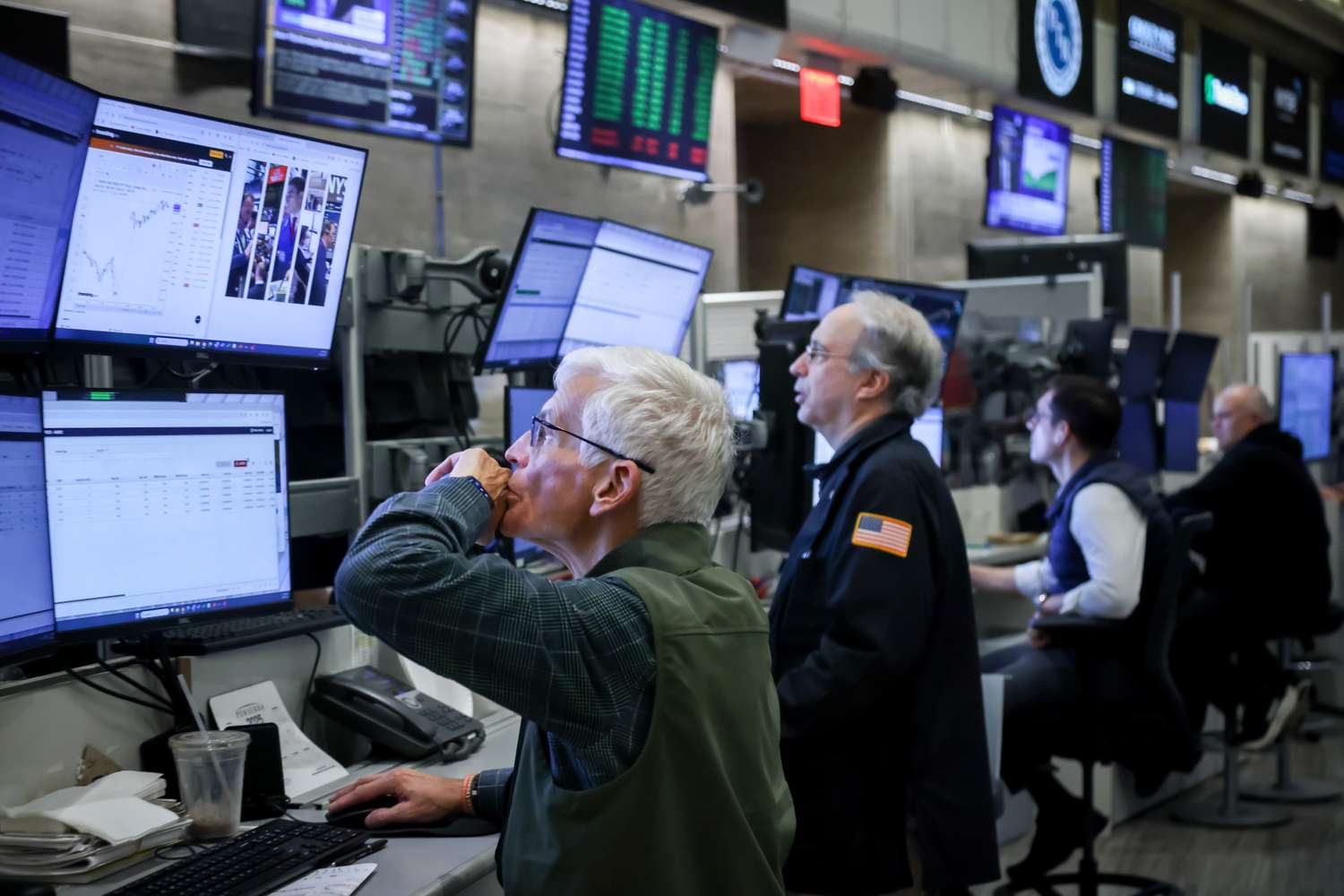
The buzz on the trading floor this summer is unmistakable – a wave of companies are choosing a route that would have seemed fringe just a few years ago. In the first eight months of 2026, more than a dozen micro‑cap and mid‑size firms slipped onto Nasdaq and NYSE via direct listings, sidestepping the traditional IPO playbook entirely. If you’ve been watching the market, you’ve probably wondered what’s driving this surge and whether it’s a fleeting fad or a structural shift. Below we unpack the mechanics, the economics, and the investor fallout, all while keeping the jargon to a minimum.
A handful of forces converged to make 2026 the breakout year for direct listings. First, the cost side of a traditional IPO has become a sticking point. Investment banks still charge 5‑7 % of the gross proceeds, and that fee can easily eclipse $30 million for a $500 million offering. For a company that’s already cash‑rich but wants to avoid dilution, the math simply doesn’t add up.
Second, the regulatory environment has softened a bit. The SEC’s guidance on resale direct listings – the variant that lets existing shareholders sell shares immediately without a lock‑up – was clarified in early 2025, reducing uncertainty for issuers and investors alike. That clarity gave firms confidence to experiment.
Third, the market’s appetite for new equity has rebounded after a rocky 2024‑25 period. Institutional investors, especially those with mandates to hold a certain percentage of US‑listed equities, have been hunting fresh supply. Direct listings provide that supply without the underwriter’s price‑setting hand.
Finally, there’s a cultural shift. The tech‑savvy generation of founders grew up watching companies like Spotify and Slack go public without an IPO. The narrative that a traditional roadshow is the only path to legitimacy is fading.
All these pieces line up like a perfect storm, and the data backs it up. According to a recent FINRA report, direct listings accounted for roughly 12 % of all new US equity listings in Q3 2026, up from just 2 % three years earlier.
At its core, a direct listing is straightforward: a private company registers its existing shares with the SEC, lists them on an exchange, and lets the market determine the opening price. No underwriters, no new capital raised, and typically no lock‑up period for insiders. The process can be broken into three stages.
Preparation and registration – The company files an S‑1 registration statement, just like an IPO, but it only includes the shares already owned by founders, employees, and early investors. The filing must disclose the same level of financial detail, risk factors, and governance information.
Liquidity‑provider coordination – While there’s no lead underwriter, companies often enlist a handful of broker‑dealers to act as liquidity providers. These firms stand ready to buy and sell shares during the opening auction, smoothing out price volatility.
Opening auction and continuous trading – On the chosen listing day, the exchange runs an auction where all interested buyers and sellers submit orders. The price that clears the most volume becomes the opening price, and trading proceeds as normal.
The key distinction from a traditional IPO is that there’s no price‑discovery through a book‑building process. Instead, the market sets the price in real time, which can lead to a more volatile opening but also eliminates the “underpricing” that leaves IPO investors with an instant paper profit.
A few names have become case studies for the new model.
QuantumHealth, a tele‑medicine platform, listed on Nasdaq via a resale direct listing in February. The company sold roughly 8 million shares held by employees and early backers. The opening price was $12.50, a modest premium to the $11.70 reference price from the S‑1. Within three weeks, the stock slipped to $10.80, prompting a brief wave of criticism about liquidity.
SolarForge, a mid‑size renewable‑energy equipment maker, opted for a classic direct listing in May. They raised no new cash, but the move unlocked a secondary market for existing shareholders. The opening price of $22.30 was well above the $20.00 reference, and the stock has held steady, delivering a solid return for early investors.
ByteWave, a micro‑cap AI chip startup, used a resale direct listing in August. Because there was no lock‑up, insiders sold a sizable chunk immediately, pushing the price down to $4.10 after the first day. The episode sparked a debate about whether resale listings protect or hurt retail investors.
These stories illustrate the spectrum of outcomes. Some companies see a smooth price discovery, while others experience a sharp correction as insiders cash out.
| Item | Traditional IPO | Direct Listing |
|---|---|---|
| Underwriter fees | 5‑7 % of proceeds | $0 |
| Legal & accounting | $2‑3 million | $1‑2 million (often lower) |
| Marketing / roadshow | $1‑2 million | Minimal (mostly investor relations) |
| Lock‑up period | Typically 180 days | None |
| Capital raised | Yes (new shares) | No (existing shares only) |
The headline number is the underwriter fee. For a $600 million IPO, that’s $30‑$42 million gone to banks. A direct listing eliminates that entirely, but the company also forgoes the ability to raise fresh capital. In practice, many firms that choose a direct listing have already secured enough private‑round financing to fund growth for the next 12‑18 months.
Direct listings are not a free lunch for investors. The absence of a lock‑up means insiders can sell at any time, potentially flooding the market with shares and depressing the price. Moreover, the opening auction can be wildly volatile, especially when liquidity providers are thin.
A few risk factors to keep on your radar:
That said, the upside can be attractive. If a company has a strong brand and a clear growth story, the market may price in future upside faster than a traditional IPO, where underwriters often set a conservative price to ensure a smooth debut.
The SEC’s stance in 2026 has been one of cautious facilitation. In March, the agency issued a “no‑action” letter confirming that resale direct listings that meet certain disclosure thresholds do not require a lock‑up exemption. The guidance emphasizes the need for transparent reporting of insider sales plans, which should help mitigate surprise dumps.
Additionally, the SEC has been focusing on improving the quality of S‑1 filings for direct listings. New rules require a more detailed “Liquidity and Market Structure” section, where companies must discuss how they will work with market makers and what mechanisms are in place to support price stability.
From a macro view, the surge in direct listings could reshape the fee landscape for investment banks. If more mid‑size firms choose to go public without an underwriter, banks may need to pivot toward advisory services, secondary‑market support, or private‑placement financing.
For the exchange operators, the shift is a mixed bag. More listings mean higher ticker fees, but the lack of underwriting revenue could reduce the overall profitability of the IPO franchise. Nasdaq has responded by launching a “Direct Listing Support Program” that offers technical assistance and market‑making incentives for qualifying companies.
Predicting the next five years is always a gamble, but a few signals suggest the direct‑listing model will remain a viable alternative.
Will every tech startup skip the IPO roadshow? Unlikely. Companies that need to raise large sums of cash or that value the marketing boost of a traditional IPO will still pursue that route. But for a growing slice of the market, the direct listing offers a pragmatic, cost‑effective path.
Q1: Can a company raise new money through a direct listing? A: No. A direct listing only involves existing shares. If a firm wants fresh capital, it must pursue a secondary offering or a private placement after the listing.
Q2: Do investors lose any protections that underwriters provide? A: Underwriters typically help stabilize the price during the first few days of trading. In a direct listing, that stabilizing role is taken over by market makers, which may not be as robust.
Q3: How does the opening price get determined without a book‑building process? A: The exchange runs an auction where all buy and sell orders are matched. The price that clears the most volume becomes the opening price.
Q4: Are there any tax implications for insiders selling in a resale direct listing? A: Yes. Insiders still face capital‑gains tax on the sale of their shares. The lack of a lock‑up simply means they can realize those gains sooner.
Q5: What should a retail investor look for before buying shares of a newly listed company? A: Start with the S‑1 filing – it contains the business model, financials, risk factors, and insider holdings. Also, check the depth of the market‑making program and any disclosed plans for future secondary offerings.
Q6: Could the rise of direct listings eventually replace IPOs altogether? A: It’s possible that the share of companies choosing direct listings will grow, but IPOs still offer advantages like capital raising and extensive media coverage that many firms value.
The bottom line is that 2026 has turned the spotlight on a public‑market route that was once considered niche. For investors willing to do the homework, direct listings can be an intriguing addition to a diversified portfolio. For companies, the model offers a way to get on the exchange table without the hefty price tag of a traditional IPO. As the market continues to experiment, the conversation around cost, liquidity, and transparency will only get richer – and that’s a good thing for anyone watching the equity landscape evolve.
Disclaimer: This article is for informational purposes only and does not constitute investment advice.
NEW