UK & Europe
Zelensky's Arms and Energy Ask
Sep 23, 202612 min read
By WorldFinance Editorial Team
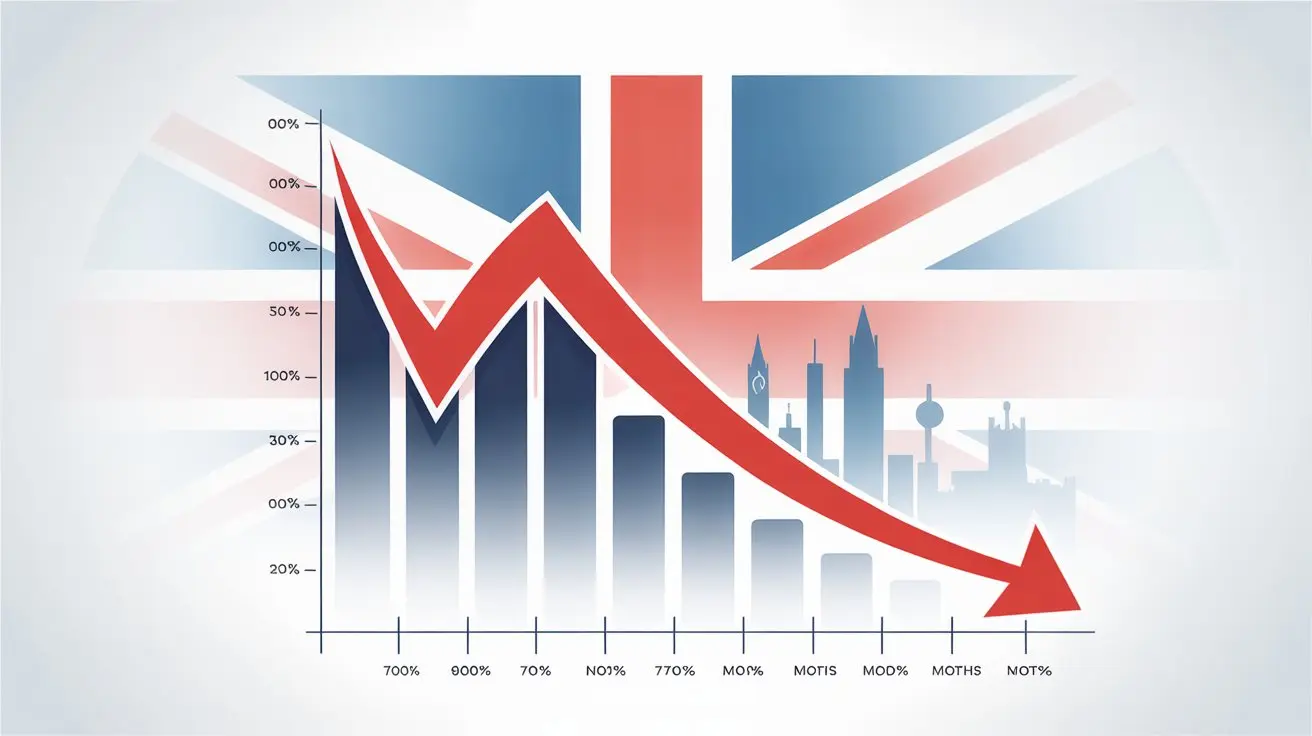
UK inflation rose to 3.1% in August 2026, and three Bank of England policymakers voted for a rate hike rather than a cut — a full reversal from expectations of continued rate cuts.
UK inflation is moving in the opposite direction from where many expected earlier in 2026. CPI inflation rose to 3.1% in August, and the Bank of England now expects it to keep climbing — reaching around 3.75% in the final quarter of 2026 and slightly above 4% in early 2027, based on energy prices prevailing in mid-September (Bank of England). That's well above the Bank's 2% target and moving further away from it, not closer.
At its meeting concluding September 16, 2026, the Bank of England's Monetary Policy Committee voted 6-3 to hold the Bank Rate at 3.75% (MTA). What's notable is the dissent: three MPC members — Huw Pill, Catherine Mann, and Megan Greene — voted for a 0.25 percentage point increase, which would have taken the rate to 4%, rather than voting for a cut. That's a meaningfully hawkish signal from a committee that had been cutting rates through much of the prior year.
The driving force behind this reversal is external, not domestic fiscal policy. The Bank explicitly cited renewed inflationary pressure from higher global energy prices, with the protracted US-Iran conflict having pushed crude and refined energy prices higher and kept them more volatile than before the conflict began. Bank of England Governor Andrew Bailey put it directly: "So far, higher global energy costs have had a limited effect on price and wage setting in the UK. But the longer this volatility persists, the bigger the impact it will have on inflation, and the more likely it is we will need to raise Bank rate to ensure that inflation falls back to our 2% target."
That's a genuinely significant statement — the UK's central bank governor explicitly floating the possibility of a rate hike to bring inflation back to target, a reversal from the rate-cutting cycle many expected to continue through 2026 (Quartz).
The practical takeaway is that the "next cut is coming" narrative that dominated UK economic commentary earlier in the cycle no longer reflects where the Bank actually stands. With three of nine MPC members already voting for a hike in September, and the Bank's own forecasts showing inflation climbing toward 4% into early 2027, the more realistic near-term scenarios are a continued hold or an actual rate increase — not the further cuts that would have been the base case if inflation had stayed on its earlier downward path.
Higher-for-longer rates, driven by external energy price shocks rather than an overheating domestic economy, put the Bank in a genuinely difficult position. Raising rates to fight energy-driven inflation risks further slowing a UK economy that hasn't been growing strongly, while holding rates (or cutting) risks letting inflation expectations become unanchored if energy price volatility persists. Bailey's comments suggest the Bank is leaning toward prioritizing the inflation target if the energy price pressure continues, even at the cost of tighter monetary conditions than the economy might otherwise need.
The key variable is how the Iran conflict and its effect on energy markets evolve. As Bailey noted, the impact on UK inflation has so far been "limited" in terms of feeding into broader price and wage setting — but that could change the longer the volatility continues. Anyone tracking UK interest rates should watch oil and gas price developments tied to the conflict as closely as domestic UK economic data, since the Bank has explicitly tied its own rate path to how that external pressure develops.
Is UK inflation actually rising or falling in 2026? Rising — CPI inflation hit 3.1% in August 2026, and the Bank of England expects it to reach around 3.75% by the end of 2026 and slightly above 4% by early 2027.
Did the Bank of England cut interest rates in September 2026? No — the MPC voted 6-3 to hold the Bank Rate at 3.75%, with three members actually voting for a rate increase to 4%.
Why is UK inflation rising? Primarily higher global energy prices tied to the ongoing US-Iran conflict, which has pushed crude and refined energy prices higher and more volatile than before the conflict.
Could the Bank of England raise interest rates? Yes — Governor Andrew Bailey has explicitly said the Bank may need to raise rates if energy price volatility continues to push inflation further from the 2% target.
What's the Bank of England's inflation target? 2% — current inflation at 3.1% and rising is well above that target, moving further away rather than closer to it.
What should UK borrowers and savers expect for rates going forward? A continued hold or a possible rate increase looks more likely than the further cuts that earlier forecasts anticipated, given the Bank's hawkish September vote and rising inflation forecasts.