 NEW
NEWPersonal Finance
How to Master HSA Investment Strategies After the 2026 Regulatory Shake‑Up
Sep 8, 202616 min read
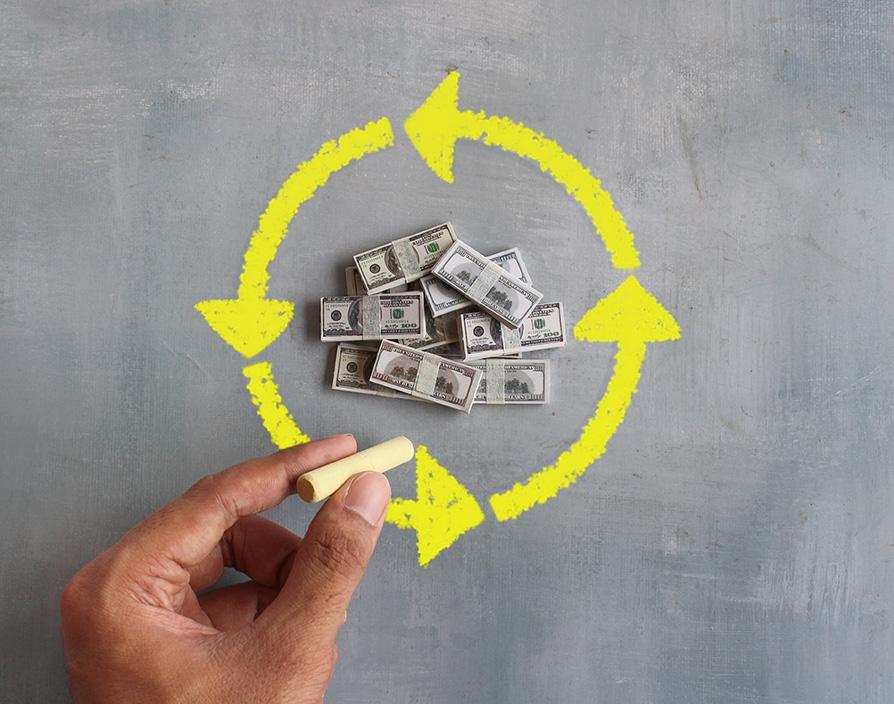
The 2026 overhaul of Required Minimum Distributions reshapes how wealthy retirees pull money from tax‑deferred accounts. This guide breaks down the new age thresholds, Roth 401(k) tweaks, penalty reductions, and smart strategies to keep more of your nest egg working for you.
When the IRS announced that the required minimum distribution (RMD) age would jump from 72 to 73 in 2026, a lot of retirees breathed a sigh of relief. But for those of us with sizable tax‑deferred balances, the relief is tempered by a slew of new rules that could bite if we’re not paying attention. The SECURE 2.0 legislation didn’t just shift the age—it trimmed penalties, altered Roth 401(k) treatment, and added new nuances around tax withholding. If you’re a high‑income retiree, those nuances matter a lot.
In this deep dive I’ll walk through the most consequential changes, show you how to calculate your first RMD, and lay out a handful of strategies that keep your cash flow smooth while the tax man gets his cut. Grab a coffee, keep a calculator handy, and let’s untangle the 2026 RMD landscape together.
At its core, an RMD is the IRS’s way of saying, “You can’t hide money forever.” When you retire, the tax‑deferred accounts you built—traditional IRAs, 401(k)s, 403(b)s, and the like—must start feeding the tax system. The rule says you must withdraw a minimum amount each year once you hit the designated age. The amount is based on your account balance and a life‑expectancy factor published by the IRS.
If you ignore the rule, the penalty used to be a staggering 50% of the shortfall. SECURE 2.0 softened that to 25%, and if you correct the mistake within a reasonable window the penalty drops further to 10%. Still, that’s money you could have invested elsewhere, so the goal is to stay on top of the calendar.
The most visible change is the age bump. Starting January 1, 2026, you won’t be forced to take your first RMD until the year you turn 73. That extra year can be a game‑changer for a few reasons:
The age change alone isn’t a silver bullet, but it does give you a little breathing room to fine‑tune your tax plan.
One of the more subtle, yet impactful, updates is the removal of RMDs from Roth 401(k) and Roth 403(b) accounts while the original owner is alive. Previously, Roth accounts held inside employer‑sponsored plans were subject to the same RMD rules as traditional accounts. Now they mirror Roth IRAs: no RMDs during your lifetime.
Why does this matter? Because high‑income retirees often use Roth accounts as a tax‑free bucket for later‑life spending. By eliminating RMDs, you can let those balances continue to grow tax‑free for as long as you like, giving you more control over when and how much you withdraw.
Even with the changes, the math behind an RMD hasn’t changed dramatically. Here’s a quick, no‑frills method:
Example: Suppose your combined traditional IRA and 401(k) balance is $1,850,000 on Dec 31, 2025. Divide by 27.4, and you get an RMD of roughly $67,518.
That figure is the floor; you can always take more if you need cash or want to manage tax brackets.
If your adjusted gross income (AGI) sits well above the top marginal rate threshold, the RMD can push you deeper into the 37% bracket. The good news is that the IRS allows you to withhold taxes directly from the distribution, which can simplify cash‑flow planning.
Many advisors recommend a 10‑15% withholding on the RMD, then using estimated‑tax payments to fine‑tune the final liability. The alternative—paying a lump‑sum estimated tax later—often creates a cash‑flow crunch, especially if you’re relying on the RMD to cover living expenses.
| Method | Advantages | Drawbacks |
|---|---|---|
| Withholding at source | Cash is already net of tax; reduces the need for quarterly payments; aligns tax outflow with income receipt. | May over‑withhold if you have other deductions; less flexibility to adjust mid‑year. |
| Quarterly estimated payments | Fine‑tuned to your overall tax picture; can spread payments across the year. | Requires discipline; risk of missed deadlines and penalties; adds administrative burden. |
For most high‑income retirees, the simplicity of withholding outweighs the marginal benefit of perfect precision. You can always amend your withholding later in the year if you see a large swing in other income.
Medicare Part B and Part D premiums are based on modified adjusted gross income (MAGI) from two years prior. A large RMD can push your MAGI over the thresholds that trigger higher premiums. This is why many high‑income retirees plan RMDs alongside Medicare budgeting.
A practical tip: If you anticipate a big RMD in 2026, consider making a QCD or a Roth conversion in 2025 to keep your 2024 MAGI lower. The ripple effect can save you hundreds, if not thousands, in Medicare premiums over the next two years.
The qualified charitable distribution is a favorite tool because it kills two birds with one stone: you satisfy the RMD and you keep the money out of taxable income. The IRS requires the charity to be a qualified public charity, and the distribution must be made directly from the IRA to the charity.
If you’re married and filing jointly, each spouse can make a $100,000 QCD, so a couple could potentially exclude $200,000 from taxable income in a single year. That’s a massive reduction in AGI, which can also lower the phase‑out of itemized deductions and keep you out of the highest Medicare premium brackets.
Q1: Do I have to take an RMD from a Roth IRA? A: No. Roth IRAs are exempt from RMDs during the original owner’s lifetime. The 2026 changes only affect Roth 401(k) and Roth 403(b) plans, which are now treated the same way.
Q2: What happens if I forget to take my RMD until March of the following year? A: The IRS still considers the distribution late, but you can avoid the 25% excise tax if you correct the shortfall within the same calendar year and demonstrate reasonable cause. The penalty drops to 10% if you act quickly.
Q3: Can I spread my RMD across multiple months? A: Yes. The distribution can be taken in one lump sum or multiple installments throughout the year, as long as the total meets or exceeds the required amount by Dec 31.
Q4: How does a QCD affect my required minimum distribution? A: A qualified charitable distribution counts toward your RMD. If you need $70,000 for your RMD and you donate $50,000 directly from the IRA, you only need to withdraw an additional $20,000 to satisfy the requirement.
Q5: Will taking a larger RMD this year lower my future RMDs? A: Yes. Since RMDs are based on the account balance, withdrawing more now reduces the balance that will be used in future calculations. Just be mindful of the tax impact of a larger withdrawal.
Q6: Should I convert part of my traditional IRA to a Roth before the RMD age? A: Converting can be smart if you expect higher tax rates later or want to reduce future RMDs. The conversion is taxable, so spread it over several years if possible to avoid spiking into a higher bracket.
The 2026 RMD overhaul isn’t just a bureaucratic tweak; it reshapes how high‑income retirees balance tax efficiency, cash flow, and legacy goals. By understanding the age shift, the new Roth 401(k) exemption, and the softened penalties, you can craft a plan that feels less like a forced cash‑out and more like a strategic move.
Take the time now to gather your statements, run the numbers, and decide whether a QCD, a Roth conversion, or a simple withholding adjustment best fits your situation. The earlier you act, the smoother the transition will be when you finally turn 73.
If you have questions that weren’t covered here, feel free to reach out to a qualified tax professional. The rules are complex, but with a little preparation you can keep more of your hard‑earned savings working for you—and for the causes you care about—well into your golden years.
NEW