Asian Markets
TSMC's 2026 Capacity Expansion: What It Means for Asian Chip Supply Chains and Regional Equity Markets
Sep 18, 202613 min read
By WorldFinance Editorial Team
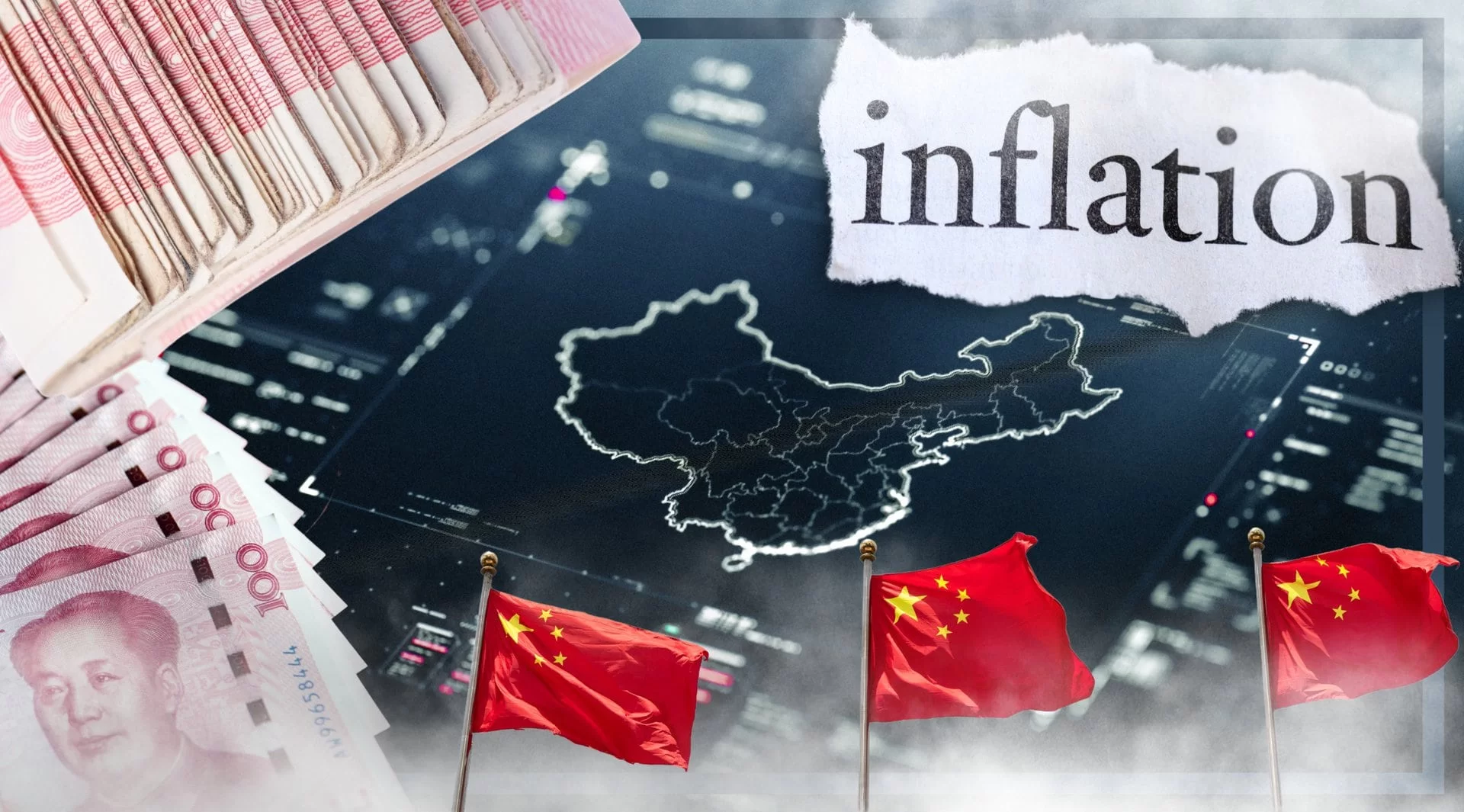
China's inflation jumped more than expected in April, driven by higher commodity costs. But despite the surprise, Asian markets largely shrugged it off. What's behind this reaction and what does it mean for the future of Asian markets? In this post, we'll dive into the details of China's inflation report and explore the implications for investors and the broader economy.
The latest inflation numbers out of China have caught many by surprise. In April, the country's consumer price index (CPI) rose 2.1% year-on-year, beating expectations and sparking concerns about rising price pressures. But despite the surprise, Asian markets have largely ignored the news, with many investors seeming to shrug off the implications of higher inflation. So what's behind this reaction, and what does it mean for the future of Asian markets?
To understand the significance of China's inflation report, it's essential to look at the details. The CPI increase was driven primarily by higher commodity costs, which have been pushed up by global conflicts. (per CNBC). This is a trend that's been playing out across the world, as geopolitical tensions drive up the price of essential goods like oil and food. In China, the impact of these higher costs has been felt particularly keenly, with the country's vast industrial sector and growing consumer market making it highly sensitive to changes in global commodity prices.
So what do the numbers tell us? The CPI increase of 2.1% year-on-year is a significant jump, and one that suggests that inflationary pressures are starting to build in the Chinese economy. (per CNBC). But it's not just the headline number that's worth looking at – the core CPI, which excludes food and energy prices, also rose by 0.5% year-on-year. This suggests that the inflationary pressures are not just limited to volatile commodity prices, but are also starting to seep into the broader economy.
Given the surprise of the inflation numbers, it's perhaps surprising that Asian markets have reacted so calmly. There are a few reasons for this, however. Firstly, many investors had already been expecting inflation to rise in China, given the global trends and the country's growing economy. Secondly, the Chinese government has a reputation for being able to manage inflationary pressures, thanks to its tight control over the economy and its ability to adjust monetary policy as needed.
Speaking of monetary policy, it's worth noting that the Chinese government has a range of tools at its disposal to manage inflation. From adjusting interest rates to controlling the money supply, the government has a significant amount of leverage over the economy. And with inflation still relatively modest, at 2.1% year-on-year, it's unlikely that the government will feel the need to take drastic action just yet.
So what does the inflation report mean for Asian markets more broadly? The answer is complex, and depends on a range of factors. For investors, the key question is whether the higher inflation will start to eat into corporate profits, and whether the Chinese government will respond with tighter monetary policy. If so, it could spell bad news for stocks and other assets. On the other hand, if the government is able to keep inflation under control, it could provide a boost to investor confidence and help to drive growth.
It's also worth looking at the sectoral impacts of the inflation report. Some sectors, such as consumer staples and healthcare, are likely to be less affected by higher inflation, as they tend to have more stable pricing and are less exposed to commodity price volatility. Others, such as industrials and materials, may be more heavily impacted, as they are more closely tied to global commodity prices.
To understand the full implications of the inflation report, it's essential to look at the broader economic context. China's economy has been growing rapidly in recent years, driven by a combination of government stimulus, industrial development, and consumer spending. But with the global economy facing a range of challenges, from trade tensions to geopolitical uncertainty, there are risks that China's growth could start to slow.
One of the key factors driving China's inflation is global commodity prices, which have been pushed up by conflicts in the Middle East and elsewhere. (per Reuters). This is a trend that's unlikely to reverse anytime soon, as geopolitical tensions continue to simmer. For investors, this means that inflation is likely to remain a concern, at least in the short term.
Here are some frequently asked questions about China's inflation report and its implications for Asian markets: