Personal Finance
The 2026 Auto Loan Delinquency Spike: What Rising Car Payments Mean for Household Budgets
Sep 18, 202613 min read
By WorldFinance Editorial Team
Gas prices and tariffs are squeezing household budgets in 2026 for very different reasons — one tied to the Iran conflict, the other to a Supreme Court ruling and shifting trade policy.
American households are feeling pressure from two distinct directions this year: gas prices climbing on geopolitical conflict, and tariffs adding a slower-building but persistent squeeze to the price of everyday goods. They're separate stories with separate causes, and understanding the difference actually matters for how you protect your budget.
Gas prices have been volatile through 2026, and the culprit is the ongoing US-Iran conflict over the Strait of Hormuz, not domestic policy. The national average rose from $4.30 a gallon on September 10 to $4.44 by September 17 — a roughly 3% jump in a single week — as renewed conflict escalation pushed oil prices higher (CNBC). Prices vary sharply by state, from $5.87 in California to $3.42 in Indiana, reflecting differences in regional taxes, refining capacity, and supply chains on top of the national crude price trend.
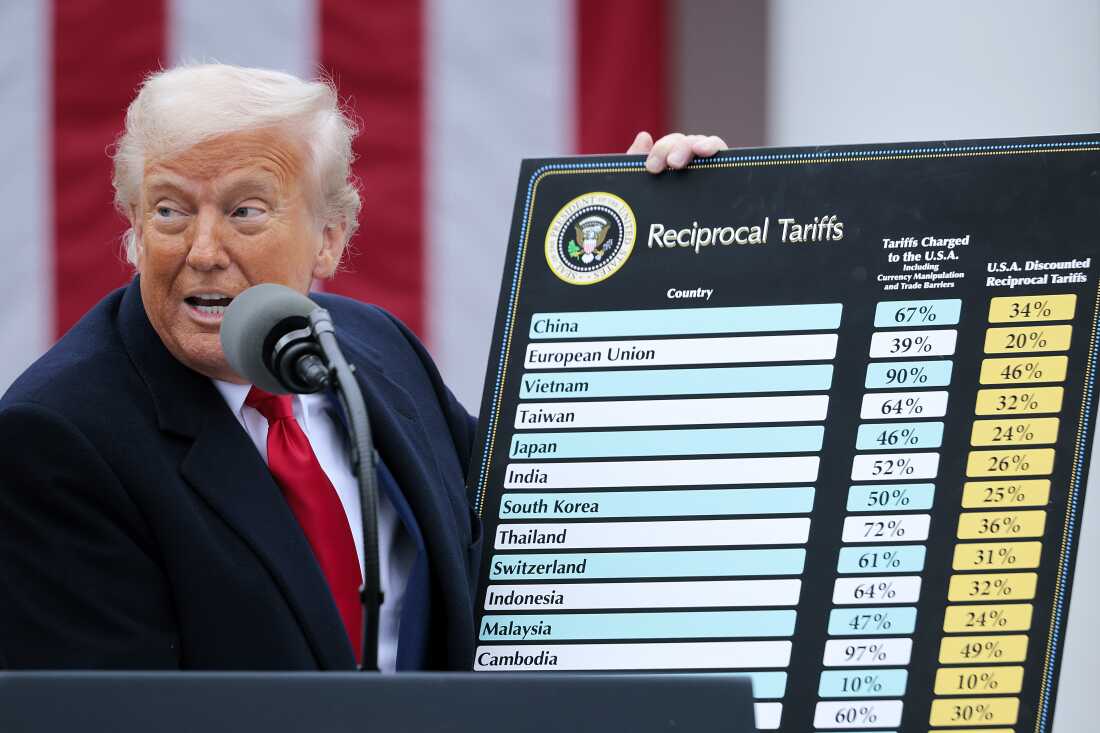
Tariffs have taken a genuinely unusual legal path in 2026. The Supreme Court ruled on February 20, 2026, in Learning Resources v. Trump, that the International Emergency Economic Powers Act does not authorize the president to impose tariffs — a 6-3 decision that struck down the legal basis for tariffs that had already collected roughly $133.5 billion by mid-December 2025 (Holland & Knight). That victory for tariff opponents was short-lived: within days, the administration used a different legal authority to reimpose 10% tariffs on all countries, effective February 24, 2026.
The practical upshot for consumers has actually improved somewhat since then. Effective tariff rates peaked around 11% in late 2025 and had fallen to just below 7% by May 2026, with a notable decline following the Supreme Court ruling (St. Louis Fed). The inflationary pressure from tariffs, while still real, has leveled off or even eased slightly in recent months rather than continuing to accelerate — a meaningfully different picture than the worst-case forecasts from a year ago.
Economists estimate durable goods prices will rise a cumulative 4.5% and nondurable goods 5.6% over 2025-2027 due to tariffs — a real but smaller impulse than the price surge of 2021-2023. Businesses initially absorbed most of the cost themselves (roughly 80% in 2025), but that share has been shrinking as pre-tariff inventory runs out and companies pass more of the cost to consumers. In practice, that means tariff-driven price increases tend to show up gradually on specific categories of goods — particularly imported durable goods and electronics — rather than as a single dramatic jump like a gas price spike.
The right response differs depending on which pressure you're dealing with:
For gas prices:
For tariff-driven price increases:
For both:
Why are gas prices so high right now? The ongoing US-Iran conflict over the Strait of Hormuz has repeatedly disrupted oil markets in 2026, pushing crude — and pump prices — higher at multiple points during the year, including a roughly 3% jump in the week ending September 17.
What happened with tariffs in 2026? The Supreme Court struck down the legal basis for a major set of tariffs on February 20, 2026, but the administration reimposed 10% tariffs on all countries days later using different legal authority. Effective tariff rates have since fallen from an 11% late-2025 peak to below 7% by May 2026.
Are tariffs still raising consumer prices? Yes, but the pace of increase has leveled off in recent months rather than continuing to accelerate, according to Federal Reserve research. Durable and nondurable goods prices are still expected to rise several percentage points cumulatively through 2027.
Which costs more right now, gas or tariffs? They're not directly comparable — gas price swings hit household budgets immediately and visibly, while tariff costs build up more gradually across specific categories of goods, particularly imported durables and electronics.
What's the single best thing I can do to protect my budget? Build or maintain an emergency fund and review your budget regularly — both gas prices and tariff-driven costs have shifted enough in 2026 that a budget built on last year's numbers is likely out of date.
Will gas prices or tariff costs come down soon? Neither has a clear, predictable timeline. Gas prices depend heavily on how the Iran conflict develops, while tariff policy remains subject to further legal and administrative changes.