
Personal Finance
The 2026 Auto Loan Delinquency Spike: What Rising Car Payments Mean for Household Budgets
Sep 18, 202613 min read
By WorldFinance Editorial Team
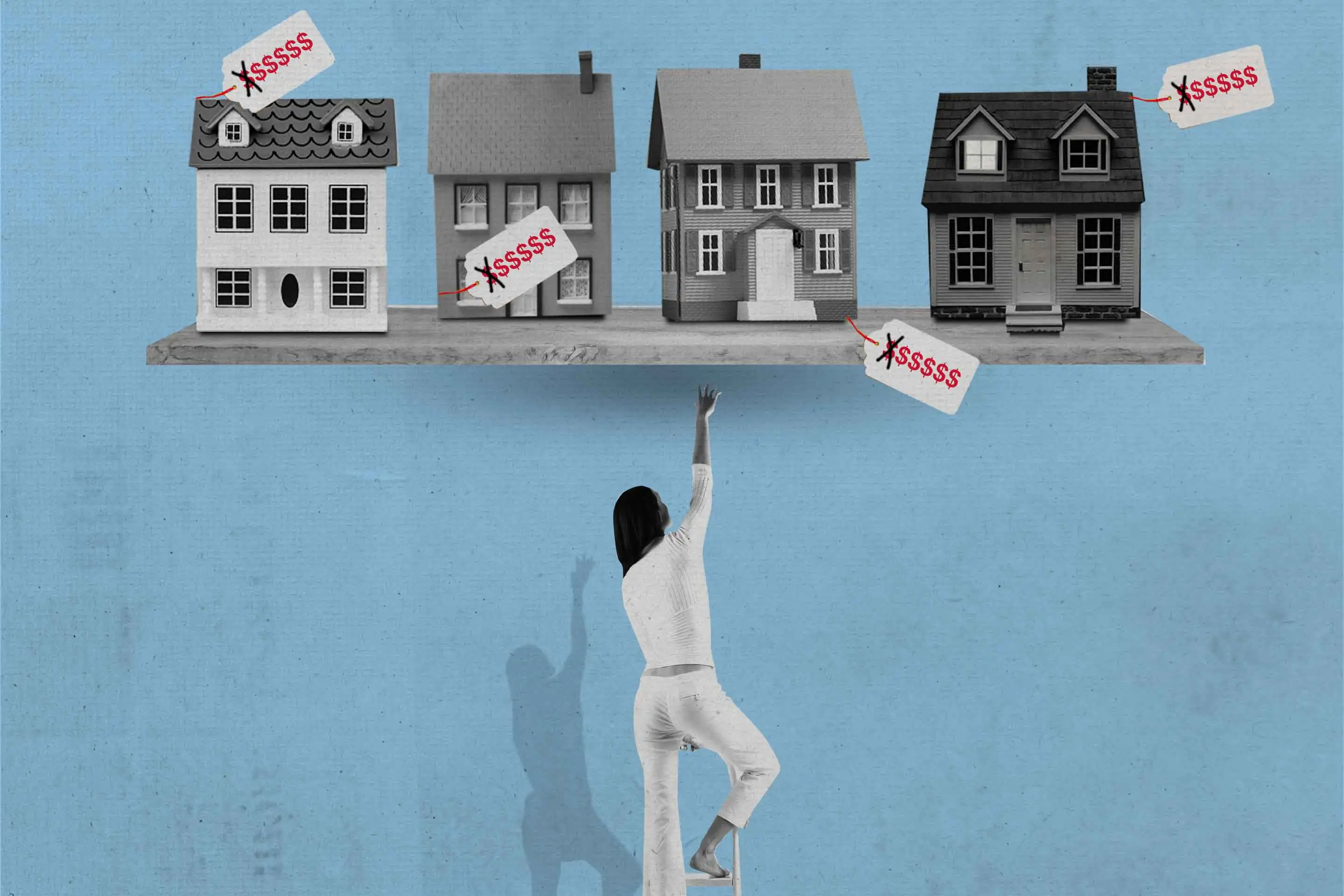
Mortgage rates climbed to 6.97% in September 2026, but buyers have gained real negotiating leverage thanks to rising inventory and eight straight months of falling asking prices.
Housing affordability headlines can be misleading right now, because two very different things are happening at once. Mortgage rates have climbed toward 7% — the average 30-year fixed rate hit 6.97% as of September 16, 2026, with the 10-year Treasury yield above 5% signaling the bond market expects rates to stay elevated for a while (Bankrate). That's making monthly payments tougher, not easier — a $2,277 monthly principal-and-interest payment on a typical home now eats up roughly 26% of a typical family's monthly income. At the same time, buyers are gaining real negotiating leverage on price, because inventory has surged and sellers are cutting asking prices at the fastest pace in years.
If you've seen claims that affordability has been "improving for months" thanks to falling rates, that's not accurate as of September 2026 — rates have been climbing toward 7%, not falling. Whatever rate relief happened earlier in the year has reversed. That matters enormously for monthly payment math: even a modest move from 6% to 7% on a typical mortgage adds hundreds of dollars to the monthly payment on the same loan amount.
Where the "8 straight months" story is real: median listing prices have now declined year-over-year for eight consecutive months, with the national median listing price at $430,000 in June — down 2.5% from a year earlier (Cotality via US home price data). That's happening alongside a genuine inventory surge — national housing inventory is running roughly 20% higher than a year ago, with active listings up 6.8%, giving buyers more options than they've had in recent seasons (Houwzer). Perhaps most tellingly, 26.3% of home listings had a price cut in August, and builders have been cutting prices too, with 36% reporting reductions earlier in the year averaging around 6%.
Higher rates are pricing some buyers out or pushing them to wait, which is exactly why inventory is piling up and sellers are cutting prices — it's a natural market response to weaker buyer demand at today's borrowing costs. The net effect is a genuine shift toward buyer negotiating power on price and terms, even though the monthly cost of financing a purchase is higher than it was when rates were lower. Regional patterns confirm this split: Sun Belt and Western markets like Texas, Colorado, and Washington are seeing prices actually decline year-over-year, while the Northeast and Midwest continue to see prices rise.
This is a market where the negotiation, not the rate environment, is your best lever. Buyers today can realistically negotiate on price, ask for repair credits after inspection, and request seller-paid closing costs — leverage that simply didn't exist in the ultra-competitive markets of a few years ago. But don't expect a lower monthly payment just because the market has "turned" — with rates near 7%, run your own numbers on what you can actually afford rather than assuming market conditions alone make this a cheap time to buy.
Is housing affordability actually improving in 2026? Not in terms of monthly payments — mortgage rates have climbed toward 7% as of September 2026. What has improved is buyers' negotiating leverage on price, due to rising inventory and widespread price cuts.
What's the current average mortgage rate? 6.97% for a 30-year fixed rate as of September 16, 2026, with the bond market signaling rates may stay elevated for a while.
Are home prices actually falling? Median listing prices have declined year-over-year for eight consecutive months, and over a quarter of listings had a price cut in August 2026 — though some regions, like the Northeast and Midwest, are still seeing price growth.
Why is housing inventory increasing? Higher borrowing costs have priced out or discouraged some buyers, reducing demand and allowing unsold inventory to build up, which is roughly 20% higher than a year ago nationally.
Is now a good time to buy a home? It depends on your finances and region — buyers have real negotiating leverage on price right now, but monthly payments remain expensive at current rates, so it's worth running your own numbers rather than relying on general market sentiment.
Which regions are seeing the biggest price declines? Texas, Colorado, Washington, and Hawaii have seen year-over-year price declines, while the Northeast and Midwest continue to lead the nation in price appreciation.